Spring in Waynesville arrives with green hillsides, blooming dogwoods, and a fresh wave of motivated buyers. If you want to sell this season, you have a perfect window to showcase outdoor spaces and mountain views. You might be wondering where to start and how to stand out without overspending. In this guide, you’ll get a clear, local plan to prep, price, market, and close with confidence. Let’s dive in.
Why spring works in Waynesville
Waynesville sits in the heart of Haywood County, close to the Blue Ridge Parkway, Pisgah National Forest, and endless hiking, biking, and fishing. Spring brings more buyer activity as retirees, second‑home seekers, remote workers, and investors plan summer moves. Curb appeal also peaks as lawns green up and shrubs start to flower. Just remember that mountain weather can still be variable, so keep driveways and walkways clean and safe for showings.
Your 6-week pre-listing plan
A little planning goes a long way. Here is a practical timeline tailored to mountain homes.
Weeks 1–2: Declutter, deep clean, and inspect
Start with a whole‑home declutter, then do a top‑to‑bottom clean. Focus on safety and function first. Consider a pre‑listing inspection to surface issues early. Ask the inspector to check the roof, gutters, HVAC, water heater, plumbing, electrical, foundation, septic and well systems if present, and chimney or fireplace safety. Pre‑listing inspections typically cost a few hundred dollars and can reduce surprises during negotiations.
Weeks 2–4: Knock out high‑ROI repairs
Tackle small fixes with big impact. Prioritize leaks, electrical issues, damaged trim, peeling paint, and broken windows. Then add quick wins: fresh neutral paint, simple hardware upgrades, touch‑up flooring, and basic landscaping. If you have septic or well systems, verify condition so you can fix or disclose as needed.
Week 3: Stage for the mountain lifestyle
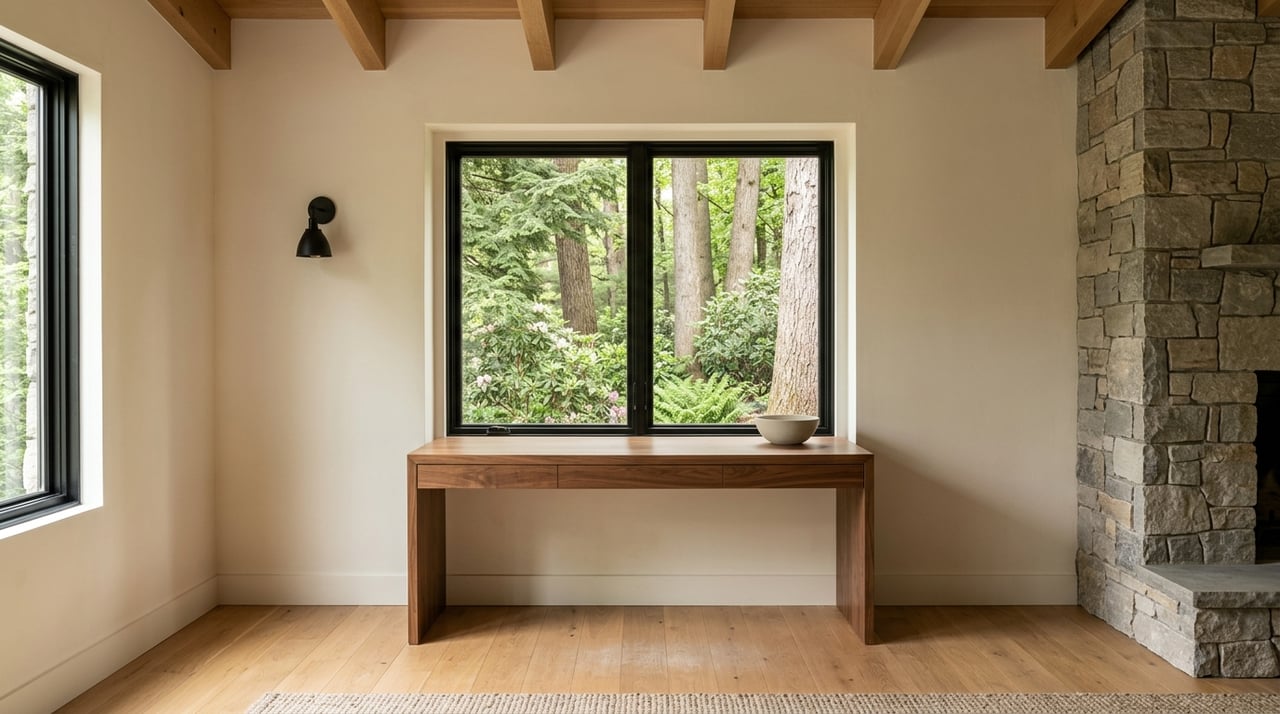
Staging should make buyers feel at home in the mountains. Highlight views and outdoor rooms like decks and patios. Organize entry and mudroom spaces for hikers and gear. Keep decor neutral, remove personal items, and let in as much natural light as possible. Professional staging can help, especially for vacant homes, and can range from budget styling under $1,000 to full staging at several thousand.
Week 4: Time curb appeal with photos
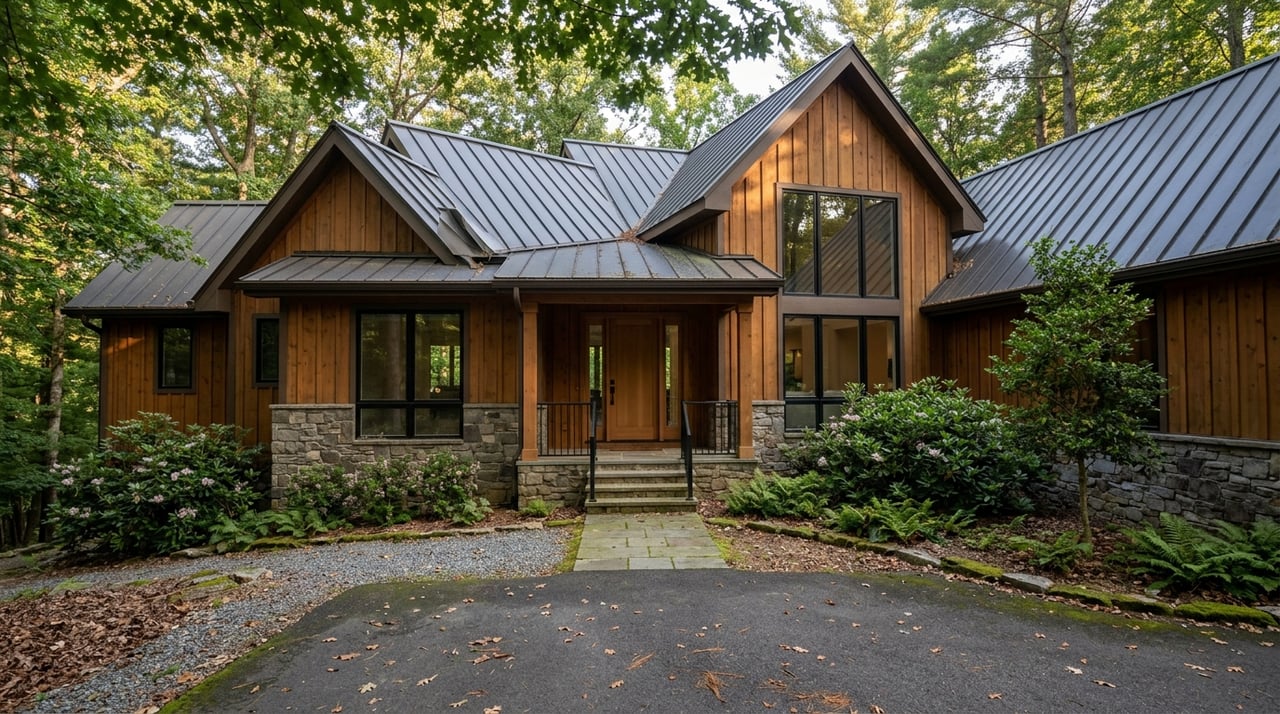
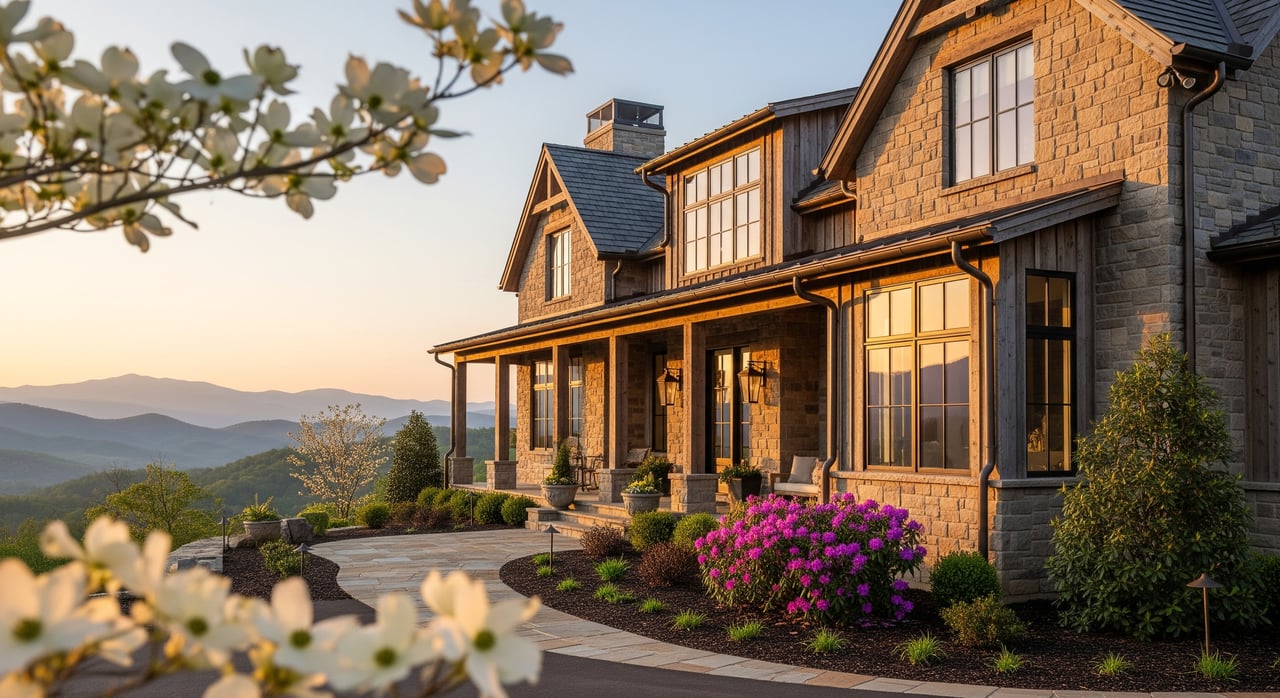
Align yard work with listing photos to catch peak spring color. Fresh mulch, trimmed shrubs, and a clean walk to the front door go a long way. If the property shines at sunset, plan a twilight shoot. Make sure steps and drives are clear and safe in case the weather turns.
Week 5: Professional media that sells the setting
High‑quality photography is essential in mountain markets. Capture views, outdoor living, and key interior spaces. Drone imagery can help show lot size, tree cover, and proximity to amenities, but confirm local and HOA rules before flying. Add a floor plan and virtual tour to help out‑of‑market buyers understand flow and scale.
Week 6: Paperwork, logistics, and launch
Gather utility bills, appliance manuals, receipts for upgrades, and any warranties. If there is an HOA, assemble covenants and rules. Complete required disclosures, including federal lead‑based paint disclosure for homes built before 1978, and use the correct North Carolina forms. Finalize your showing plan and go live when your visuals and yard look their best.
Pricing with mountain comps
Smart pricing starts with recent local sales. Look at closed comps from the last 30–90 days in Waynesville and nearby neighborhoods. Match on square footage, beds and baths, lot size, condition, and style. In the mountains, adjust for view quality, usable outdoor space, road steepness and access, and utility types like septic and well versus public services. Active and pending listings show current competition and demand.
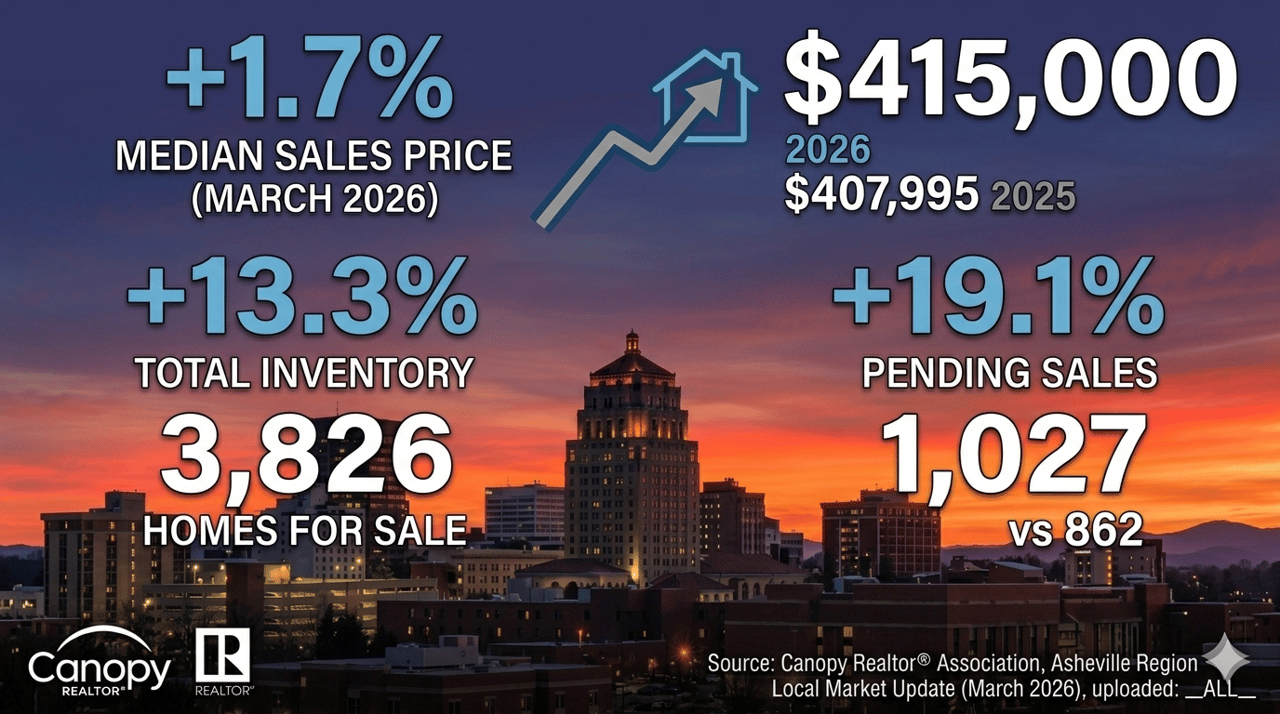
If inventory is tight and demand is strong, pricing near market value or slightly below can spark multiple offers. If inventory is rising or things are cooling, pricing at or a touch below recent comps can help you meet the market and move quickly. Run sensitivity scenarios so you understand list price, likely net after commission and closing costs, and any repair credits you may offer. In mountain areas with unique homes, appraisal gaps can happen. You can reduce risk by staging well, documenting upgrades with receipts, and having your agent prepare a strong comp packet for the appraiser.
Marketing that reaches the right buyers
Your buyer could be across town or across the country. A complete plan meets them where they are.
Online-first essentials
Start with a compelling MLS listing that features professional photos, a floor plan, and a virtual tour. Write a description that highlights the lifestyle: proximity to trails, downtown Waynesville, Lake Junaluska, and the Blue Ridge Parkway. Use social media and targeted ads to reach feeder markets. Strong visuals and clear, benefits‑focused copy make the difference with out‑of‑area buyers.
Tailor messages to likely buyers
- Retirees and relocators: call out single‑level living, low‑maintenance features, and proximity to services.
- Second‑home buyers: emphasize views, outdoor spaces, and any rental potential if allowed by local rules or HOA.
- Remote workers: showcase a dedicated office, broadband availability, and quiet settings near essentials.
Create local buzz and host opens
Broker opens can spark early agent interest and feedback. Public open houses work well in spring if the property is photo‑ready and staged. Community boards, email campaigns to buyer agents, and local print can add reach and credibility.
Smooth, safe, and clear showings
Make access easy with clear directions and any gate codes. If roads are narrow or steep, share helpful vehicle guidance for showings. Provide a simple fact sheet covering utilities, septic or well details, HOA rules if applicable, and any seasonal maintenance expectations. These touchpoints build buyer confidence.
Managing showings without stress
Plan showing windows that work for you and your schedule. Secure or remove valuables and sensitive documents. If you have pets, arrange care and hide pet gear. Air out the home, use soft neutral scents, and keep lighting warm. Consider a twilight showing block if your views pop at sunset.
Offers, negotiation, and closing in North Carolina
Most offers include price, earnest money, proposed closing date, financing, inspection and appraisal contingencies, any seller credits, and personal property to convey. In competitive moments, you may ask for highest‑and‑best by a set deadline or request strong pre‑qualification. After acceptance, you can limit showings to reduce confusion while the buyer completes due diligence.
Expect 30–45 days from contract to close, depending on financing, title work, and inspections. Cash offers can close faster. Work with a local title company or closing attorney who knows Haywood County practices to handle title search, the closing statement, and deed recording. Seller costs vary by deal, and sellers commonly cover real estate commission. Nationally, total commission is often in the 5–6 percent range, and local rates and splits are negotiable.
Inspection negotiations often focus on safety, function, and major systems. Septic or well issues, access and road maintenance, and boundary or easement clarity are common mountain topics. For unique properties or areas with limited comps, be ready for appraisal questions. Preparation, documentation, and a calm, data‑driven approach keep deals on track.
Disclosures and local considerations
Complete the required North Carolina disclosure forms. If your home was built before 1978, include the federal lead‑based paint disclosure. If the property has been or could be a short‑term rental, verify any county, town, or HOA restrictions and taxes. Check FEMA flood maps if the property is near streams or low‑lying areas. Getting ahead of these items can save time during due diligence.
When to list this spring
Buyer activity in Waynesville typically ramps up from March through early summer. Aim to list when your yard looks its best and the forecast supports a great first weekend of showings. Time professional photos to catch fresh greenery and blooms. If you need more prep time, it is better to launch polished in late spring than rushed in early spring.
What you control right now
- Declutter and deep clean so rooms feel larger and brighter.
- Fix leaks, touch up paint, and refresh hardware for quick visual wins.
- Freshen landscaping and pressure‑wash high‑traffic areas.
- Stage to showcase views, outdoor living, and cozy fireplace zones.
- Invest in professional photos, a floor plan, and a virtual tour.
- Gather documents, disclosures, and receipts for upgrades.
Ready to sell with confidence this spring? Connect with a local expert who knows the mountain market, the buyer personas, and the process from prep to close. If you want a tailored plan for your Waynesville home, reach out to Preston Mayfield. Let’s connect.
FAQs
When is the best time in spring to list in Waynesville?
- Buyer activity typically rises from March through early summer, so list when your landscaping looks its best and the weather helps first‑week showings.
Do I need a pre‑listing home inspection in Haywood County?
- It is optional but helpful; spending a few hundred dollars often prevents surprises by identifying safety, system, or septic and well issues early.
What small improvements deliver the best return?
- Fresh neutral paint, minor flooring and hardware updates, basic landscaping, and lighting tweaks often provide strong perceived value at modest cost.
How do I price a home with big views or a steep driveway?
- Use recent local sales and adjust for view quality, usable outdoor space, and access; account for road steepness and utility type when comparing comps.
What if the appraisal comes in below the contract price?
- You can renegotiate price, consider concessions, or provide stronger comparable data; preparation and documentation reduce the risk of gaps.
What seller closing costs should I expect in North Carolina?
- Sellers commonly cover real estate commission, and other costs vary by deal; your closing attorney or title company will provide an estimated statement.
Should I get a septic inspection before listing?
- If your property has a septic system, verifying its condition before listing can avoid delays and give buyers confidence during due diligence.
How long does it take to close after going under contract?
- Most financed deals close in 30–45 days, while cash offers can close faster depending on title work, inspections, and agreed timelines.