Thinking about selling your Black Mountain cabin and not sure what today’s market expects from you? You are not alone. Cabins here are special, and buyers ask smart, mountain-specific questions about access, wells, septic systems, and views. In this guide, you will learn how the market is behaving, what to fix or disclose, how to handle staging and marketing, and how to set a realistic timeline that reduces stress and surprises. Let’s dive in.
Market snapshot: what to expect now
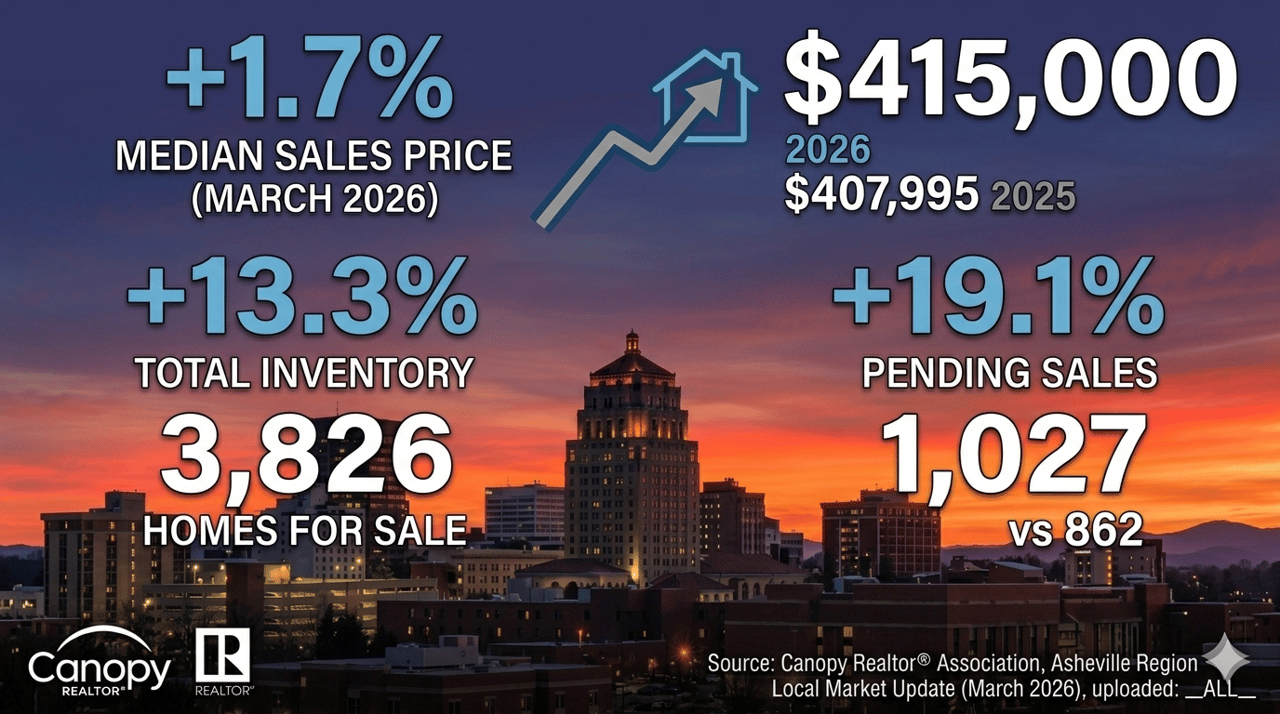
Western North Carolina has shifted from the ultra-tight conditions of 2020–2022 toward a more balanced market. In Buncombe County, the median sale price was about $589,000 with roughly 102 days on market in December 2025, according to Realtor.com’s county data. In the Town of Black Mountain, vendor snapshots vary. Redfin reported a median sale price near $541,000 with a median of about 71 days on market in December 2025, while Zillow’s ZHVI showed about $450,789 as of January 31, 2026. Different vendors use different methods, so treat these as directional rather than exact.
What does this mean for you? Pricing and presentation matter more now. You should plan for active marketing and thoughtful pricing, and expect negotiations to be more detailed than they were a few years ago. Highly desirable cabins that show well and are priced right can still move quickly, but a realistic plan is weeks to a few months on market for typical listings.
What drives cabin value in Black Mountain
Views and outdoor living
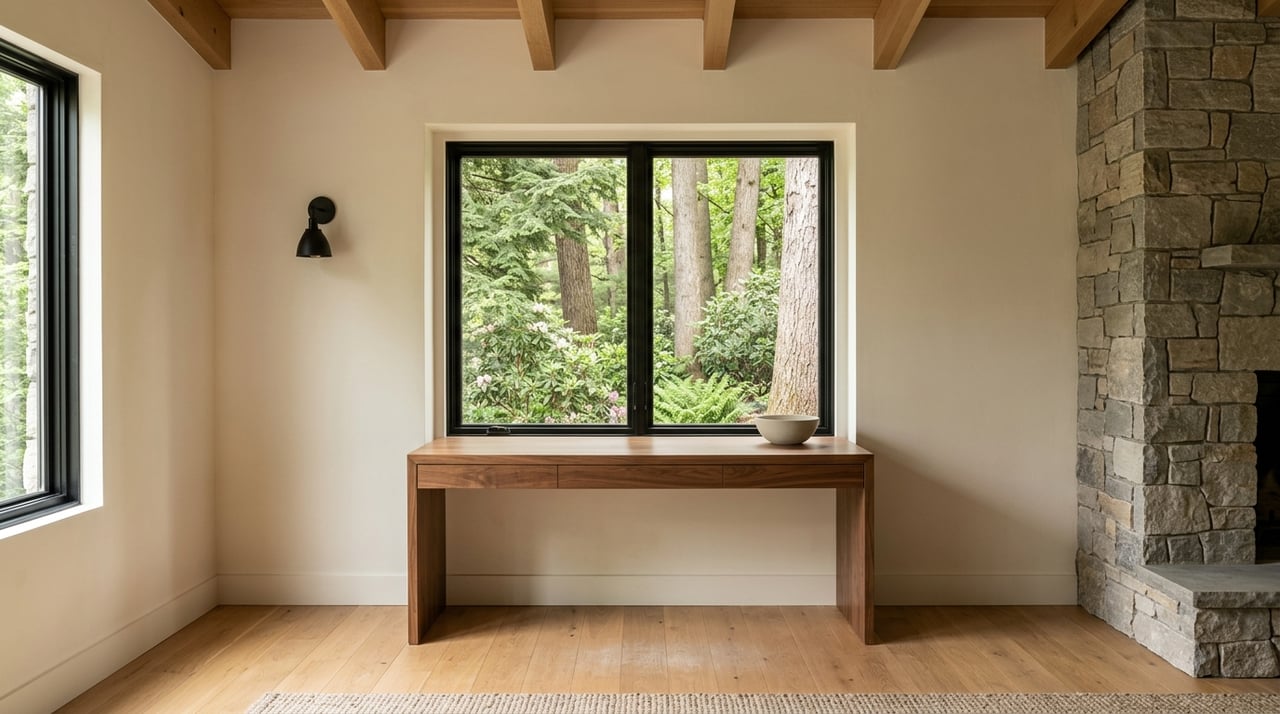
Long-range views, big decks and porches, and a strong indoor-outdoor flow are top value drivers. If your cabin frames a mountain panorama or has a covered porch that extends living space, highlight it with your first photos and your headline. Clean railings, restain decking where needed, and stage the seating areas so buyers can picture slow mornings with coffee or sunset dinners.
Access, privacy, and proximity
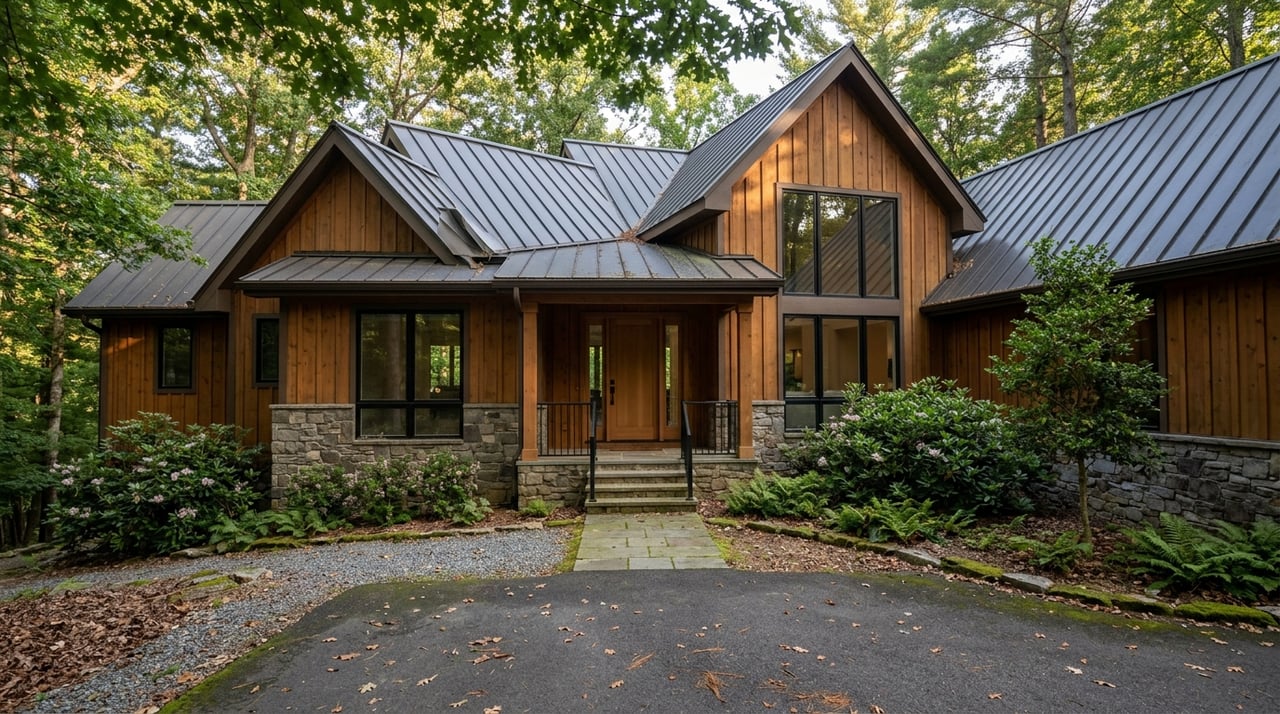
Buyers want to know how they get there and what it feels like. Gentle access, a turnaround for parking, and clear winter maintenance arrangements make a difference. Privacy and lot size matter too. If your property is close to downtown Black Mountain, Montreat trails, Pisgah National Forest access, or a reasonable commute to Asheville, call that out in the description.
Systems and utilities
In mountain settings, buyers focus on basics. If your cabin is outside town limits, confirm septic and well status early. Inside town limits, learn whether you have municipal water and sewer. The Town’s permitting page is a good starting point for contacts and process details on well and septic records as well as building and inspection questions. You can find those resources on the Town of Black Mountain’s Permits and Inspections page.
Nail due diligence early
Proactive documentation lowers stress, shortens buyer due diligence, and protects your price. Gather what you can before listing so you are ready to answer questions on day one.
- Septic: improvement permits, Authorization to Construct or as-built, and pump-out or service records.
- Well: GW-1, well completion details, and any water quality tests.
- Chimneys and woodstoves: a current sweep or inspection if you heat with wood.
- Access: shared-drive or private road maintenance agreements, HOA info, and typical winter access needs.
- Flood status: even in the mountains, creekside lots can sit in mapped flood zones. Use the Town’s Floodplain Regulation Education page to check FEMA and NC FRIS mapping and to understand insurance implications if the cabin is in a Special Flood Hazard Area.
Repairs and pre-list inspections
You do not have to fix everything to sell, but addressing items that block financing or safety can save you from last-minute renegotiation. Think roof leaks, failing decks or rails, unsafe electrical, and septic issues. Cosmetic upgrades with high impact, like fresh neutral paint, deep cleaning, small lighting updates, and tuned or serviced woodstoves, help showings and first impressions.
A pre-listing home inspection can be a smart move in mountain markets. It lets you choose repairs on your timeline, set buyer expectations, and reduce concession surprises. The American Society of Home Inspectors outlines several benefits of pre-list inspections, from smoother negotiations to faster closings. Learn more from this summary of why sellers order pre-list inspections.
Appraisals and unique cabins
Cabins can be hard to appraise because truly comparable sales can be rare. Log or timber-frame construction, historic elements, long-range views, and large acreage often make apples-to-apples comparisons tricky. You can help by preparing a concise packet for the appraiser: recent local cabin comps, a list of upgrades and maintenance, and any documented rental income if the cabin operated as a legal short-term rental. Expect condition and site features like access, view, and acreage to play a bigger role in adjustments than they might in town neighborhoods.
Staging and marketing that sells the lifestyle
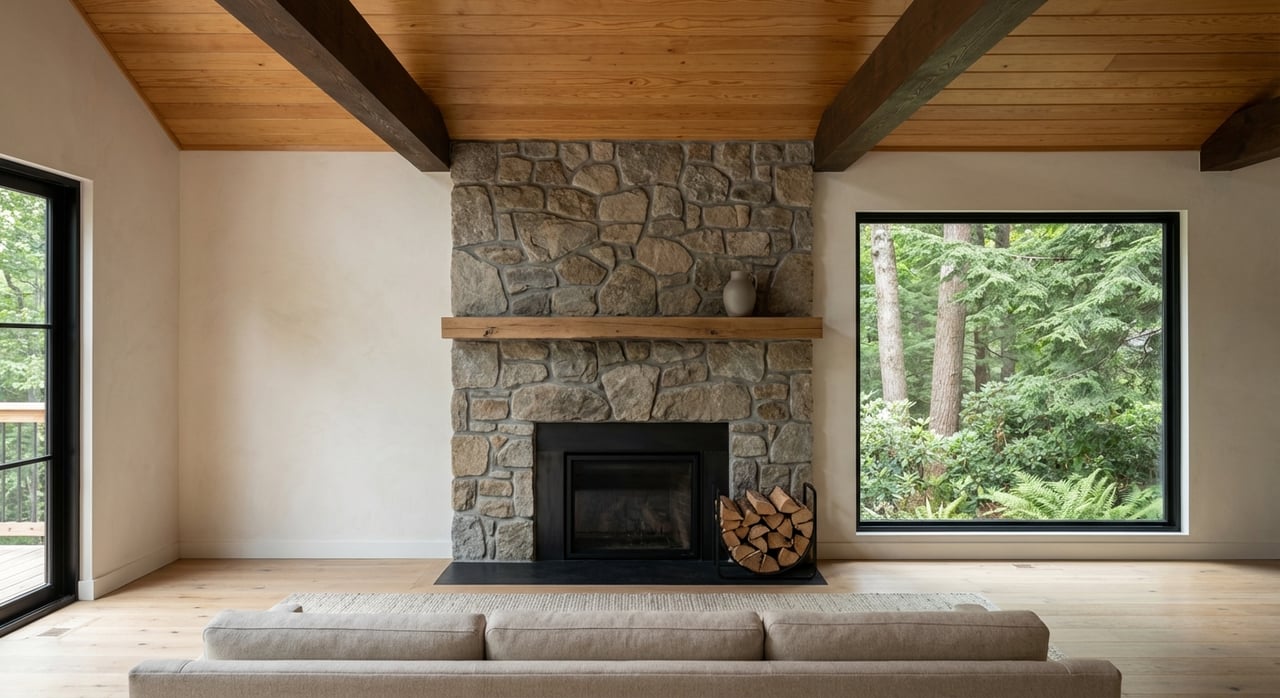
Staging tells the story of how buyers will live in the space. National research from NAR shows that staging can reduce days on market and lift offers. You do not need a full overhaul to make an impact. Focus on the living room and fireplace, keep décor simple and neutral, and stage decks and porches with clean, inviting setups. For data on staging’s impact, see NAR’s latest report on how home staging boosts sale prices and reduces time on market.
Great visuals matter, especially for out-of-area buyers. Plan professional photography, including twilight shots, detail vignettes, and at least one aerial image that shows the driveway, parking, and how the cabin sits on the land. Add a 3D tour or guided video walkthrough to attract serious remote buyers and cut down on casual showings. Lead with your strongest two or three images, then reinforce your value drivers in the description.
Short-term rentals: rules and what to verify
Regulations depend on where the property sits. The Town of Black Mountain oversees building permits and planning questions inside town limits. Buncombe County handles septic and well permitting and regulates STRs in unincorporated areas. Start by confirming whether your parcel is inside town limits or in unincorporated Buncombe. For Town contacts and permit guidance, visit the Permits and Inspections page.
At the county level, officials have considered updates to STR rules for unincorporated areas. Public discussions and drafts have noted that proposals apply to the county and do not automatically extend inside municipal limits like Black Mountain. You can review local coverage of those county-level proposals and meetings at Asheville.com.
Taxes and registrations also matter. Short-term rentals typically require occupancy tax collection and may trigger business personal property listings. Buncombe County’s official site is the best place to confirm current steps and contacts. Start with Buncombe County’s homepage to find tax and permitting departments.
Legal disclosures in North Carolina
Most residential sellers in North Carolina must complete the Residential Property and Owners’ Association Disclosure Statement. As of 2024, you must also disclose prior flood damage on that form. The North Carolina Real Estate Commission provides guidance on delivery timing and accuracy. If you discover new information before closing, update your disclosure. For state-level guidance, review the NCREC’s bulletin on disclosures and timing.
If your property is in an owners’ association, collect the CCRs, bylaws, and any transfer or initiation fees upfront. Where applicable, the separate mineral and oil and gas rights disclosure may also be required. Accurate disclosures help avoid rescission or liability, and they increase buyer confidence.
Selling timeline and negotiation patterns
Plan your sale in phases:
- Preparation: 2 to 4 weeks for inspections, light repairs, staging, and photography. More time if you have major work.
- Go live: the first 2 to 6 weeks are critical for showings, feedback, and price confirmation. In a balanced market, typical days on market can stretch into a few months, depending on location, access, and pricing.
- Due diligence: 2 to 4 weeks for inspections, appraisals, and negotiations. Expect general, septic, and well inspections if you have private systems, plus chimney or roof documentation.
- Closing: 30 to 45 days is common for financed deals, subject to title and appraisal timing.
Pre-list inspections and clear documentation can reduce repair renegotiations. If needed, consider offering defined repair credits instead of managing contractors on a tight deadline.
Step-by-step seller checklist
Use this local checklist to stay organized and reduce surprises:
- Confirm jurisdiction and utilities. Verify if your parcel is inside town limits and whether you have municipal water/sewer or private systems. Start with the Town’s Permits and Inspections page.
- Assemble core documents. Deed, survey or plat, HOA documents, septic permits and pump records, well records, maintenance and inspection reports.
- Order pre-list inspections. A general home inspection and septic/well checks help you choose repairs and set expectations. Read ASHI’s guidance on pre-list inspection benefits.
- Complete high-impact fixes. Address leaks, unsafe electrical, failing roof elements, loose rails or decking, and clear overgrowth around structures for safety.
- Stage and photograph with intent. Highlight fireplace, main living areas, primary bedroom, decks, and views. Include at least one aerial image that shows approach and parking. Consider a 3D tour for remote buyers. Review NAR’s findings on staging’s impact.
- Disclose accurately and on time. Complete the RPOADS and any mineral rights form, and update if circumstances change before closing. See the NCREC disclosure bulletin.
- Confirm STR status and taxes. If you plan to market income potential, verify rules for Town vs County, HOA limits, and occupancy tax steps. For county-level proposals affecting unincorporated areas, see Asheville.com’s coverage, and use Buncombe County’s site to locate current tax guidance.
- Set pricing and a timeline. Use fresh local comps and vendor data by month and location. Plan for a few weeks to a few months on market depending on pricing, access, and uniqueness.
Selling a mountain cabin is part art, part documentation. If you stage the lifestyle, gather your records, and price to the market you are in today, you will set yourself up for a smoother sale and better negotiation outcomes. If you would like a tailored pricing analysis and a hands-on plan for prep, marketing, and timing, reach out to Preston Mayfield. Let’s Connect.
FAQs
Do I have to fix everything the buyer’s inspector finds?
- No. Focus on safety and major systems. For other items, you can disclose and price accordingly or offer credits. A pre-list inspection lets you choose what to fix on your timeline.
How much does a mountain view add to value in Black Mountain?
- There is no fixed percentage. Appraisers use recent comparable sales with similar view quality. Emphasize view in marketing and rely on local comps to guide pricing.
Can I market my cabin as a short-term rental if I used to host on Airbnb?
- Possibly. First confirm whether the property is inside town limits or in unincorporated Buncombe County, then check HOA rules and local occupancy tax requirements before advertising income potential.
What septic and well documents do buyers expect?
- Septic improvement permits, Authorization to Construct or as-built, recent pump or service records, and well GW-1 and completion details where available. Start with the Town’s Permits and Inspections page to locate records and contacts.
How long will it take to sell a cabin in today’s market?
- Plan for weeks to a few months, depending on pricing, access, uniqueness, and marketing. County-level data for late 2025 shows longer days on market than the 2020–2021 peak, so set expectations and strategy accordingly.