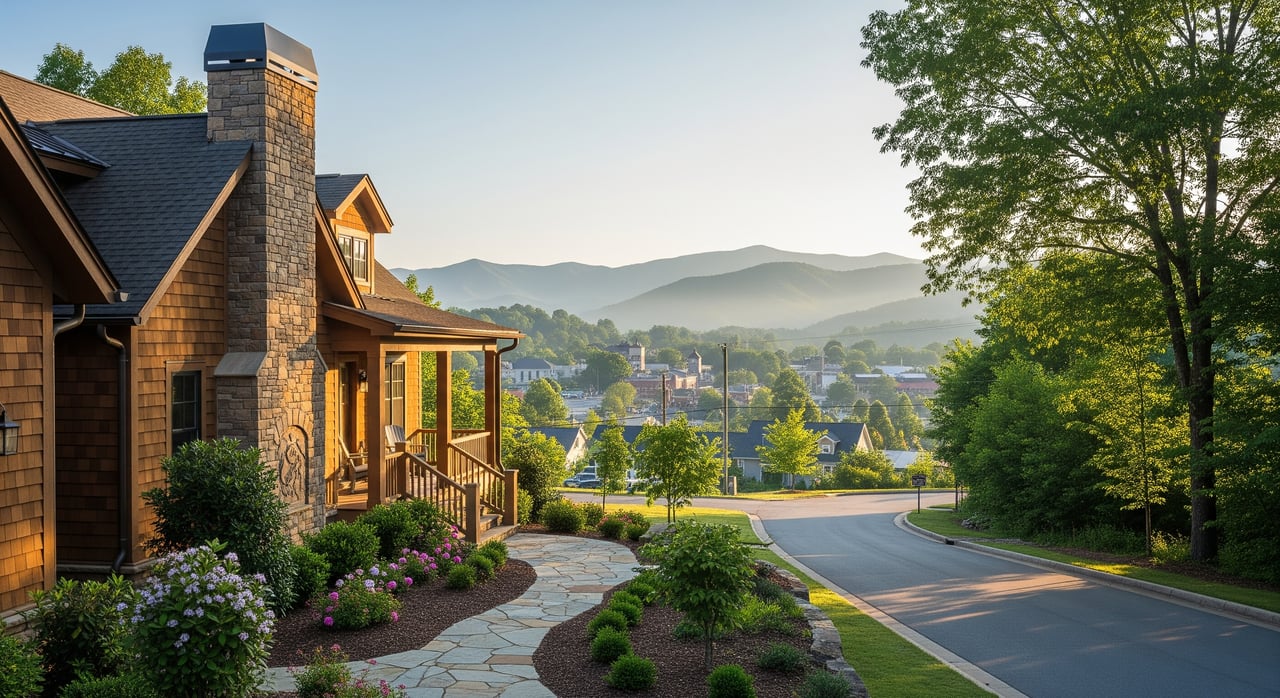
Thinking about making a move to the mountains and wondering if Waynesville fits your lifestyle? You are not alone. Many buyers look to this Haywood County hub for its small-town feel, outdoor access, and more relaxed pace than bigger cities nearby. In this guide, you will get a clear, practical look at neighborhoods, commute realities, everyday amenities, and what to watch for when buying a mountain home here. Let’s dive in.
Waynesville at a glance
Waynesville sits in the mountains of Western North Carolina, west of Asheville and just east of the Great Smoky Mountains and Pisgah National Forest. It serves as a local center for shopping, healthcare, and services for nearby mountain communities. You will find a mix of walkable, in-town living and quieter, wooded neighborhoods with ridge views and privacy.
If you want easy access to hiking, scenic drives, waterfalls, and community events without the constant bustle of a bigger city, Waynesville is a strong contender. Many people use it as a home base for outdoor recreation and as a calmer alternative to living in Asheville proper.
Neighborhoods and areas
Downtown Waynesville
- Character: A classic small-town Main Street with restaurants, shops, galleries, and seasonal festivals. It feels friendly and is easy to navigate on foot.
- Housing: Older single-family homes and some condos or apartments close to the downtown core.
- Why you might like it: You prefer a walkable lifestyle and being steps from dining, arts, and community events.
Frog Level and the Railroad District
- Character: Historic area near the creek with a revived mix of shops, galleries, and breweries.
- Housing: Mixed-use buildings and nearby homes.
- Key consideration: Parts of this area have a history of flooding. If you are considering a property nearby, review FEMA flood maps and local floodplain information as part of due diligence.
Junaluska and Lake Junaluska
- Character: A lake-centered community with walking paths, landscaped grounds, and a calendar of concerts and events at the conference center.
- Housing: Single-family homes and condos. Some areas include homeowner association rules and deed restrictions.
- Why you might like it: You want lakefront paths, convenience to town, and a more established residential feel.
Hazelwood
- Character: A former town that is now part of Waynesville, with its own small commercial corridors and surrounding neighborhoods.
- Housing: Modest single-family homes plus newer subdivisions on the edges.
- Key consideration: Some properties may sit outside town limits. Confirm zoning, tax rates, and municipal services for any address you are evaluating.
Outlying mountain neighborhoods
- Character: Rural parcels and ridge communities with mountain views, larger lots, and a private feel.
- Housing: Single-family homes, cabins, and properties with acreage.
- Key considerations: Road grade and maintenance, winter driving, and the presence of well and septic systems are common factors. Broadband can be limited outside town centers, so verify coverage for remote work needs.
Nearby towns to compare
- Canton: A practical choice for commuters. Industrial history and direct highway access.
- Maggie Valley: A tourism-forward town with seasonal activity and vacation-home appeal.
- Clyde: Smaller-town setting with convenient access to services and highways.
Commutes and getting around
Regional access
Waynesville connects to the rest of Western North Carolina through state and U.S. highways that link to I-40 and Asheville. Expect mountain highway driving, which often means winding roads and slower average speeds than flatland commutes. Seasonal travel, especially during leaf season and holidays, can add time.
Typical drive times
- Asheville city center: commonly 30 to 50 minutes depending on exact start and end points and traffic.
- Asheville Regional Airport (AVL): commonly 30 to 45 minutes under typical conditions.
- Larger cities: Charlotte and Knoxville are several hours away, so plan ahead for occasional trips.
Always check a real-time map during the hours you plan to commute. Weather and tourist traffic can change conditions quickly.
Transit and rideshare
Local and regional transit options exist in the broader region, though services are more limited than in major metros. Rideshare and taxi availability varies by time of day and season. If you rely on transit or rideshare, confirm current schedules and coverage before you commit to a location.
Winter and mountain driving
Mountain weather can bring snow and ice. Steep driveways, unpaved roads, and shaded hollows may stay slick longer. If you are considering a home on a ridge or with a long private drive, ask about road maintenance arrangements and plowing priorities, and plan for proper vehicle preparation each winter.
Amenities and daily living
Healthcare
Waynesville and Haywood County have community hospitals and clinics for routine and emergency care. For advanced specialty services, Asheville serves as a regional referral center. If proximity to specific specialties matters for your household, map out your providers and typical drive times.
Education
Public schools in and around Waynesville are served by Haywood County Schools. Individual school assignments depend on your property address, and school performance varies by school. If schools factor into your decision, review district attendance information and confirm details for the address you are considering.
Shopping and services
Waynesville functions as a retail hub for Haywood County. You will find grocery stores, pharmacies, banks, hardware, and local services near town and along commercial corridors. For wider big-box retail or specialty shopping, many residents drive into Asheville or larger nearby towns.
Dining, arts, and events
Downtown Waynesville supports locally owned restaurants, galleries, and community festivals with a strong mountain arts and music tradition. Seasonal farmers’ markets and events are common throughout the year. If you enjoy a lively but small-town cultural calendar, you will feel at home here.
Parks and outdoor recreation
You have quick access to trails and forests, including nearby entries to the Blue Ridge Parkway and Pisgah National Forest. Lake Junaluska offers lakefront walking paths, and multiple trailheads sit within a short drive in almost every direction. Outdoor outfitters and guide services operate in town and neighboring communities for hiking, biking, fishing, and scenic tours.
Utilities and broadband
- In-town properties typically connect to municipal water and sewer.
- Many outlying homes use private wells and septic systems; inspections are essential.
- Broadband is generally available in town, while rural areas may have limited options. If you work remotely, verify address-specific internet providers and speeds before you finalize a purchase.
Buying and selling in Waynesville
Housing types and buyer profiles
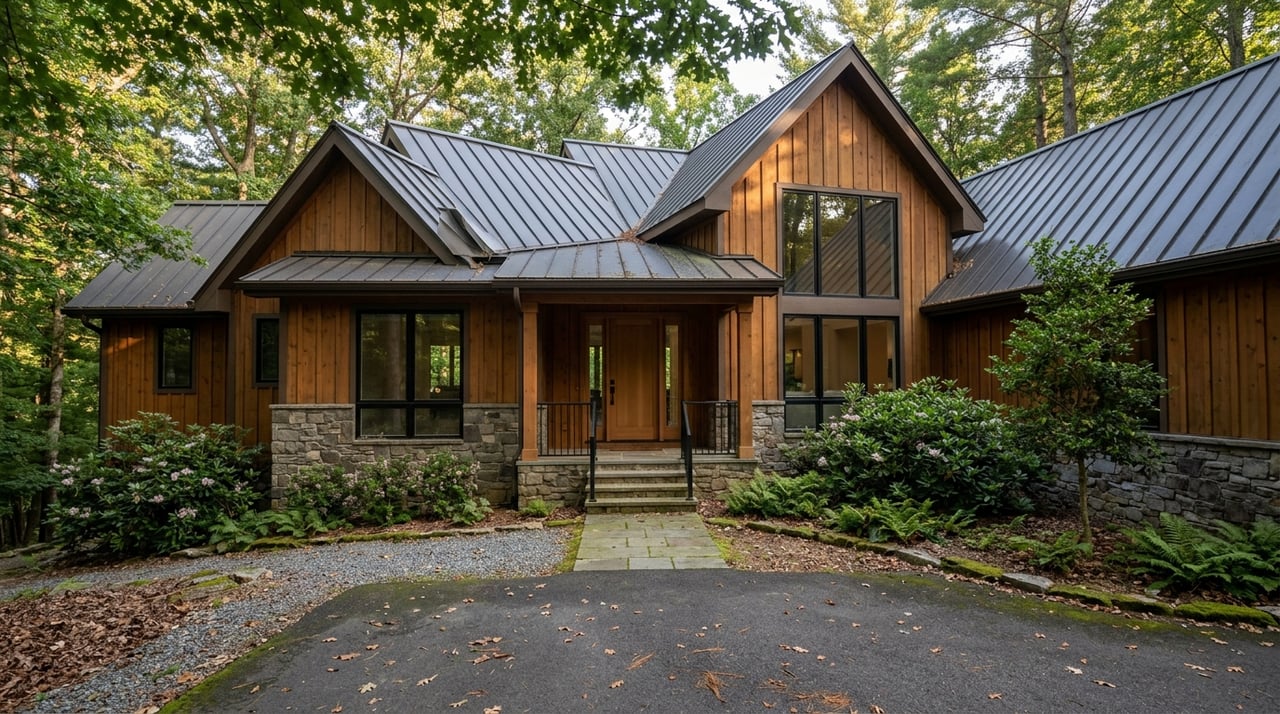
You will see a broad mix: historic homes near downtown, small-lot houses in established neighborhoods, condos near Lake Junaluska, modern cabins tucked into wooded hillsides, and new subdivisions on the town’s edge. Buyers include local workers, relocators, retirees, second-home owners, and remote workers seeking mountain lifestyle benefits.
Key due diligence for mountain homes
Before you write an offer, plan for a thorough review tailored to mountain living:
- Confirm whether the property lies within town limits or unincorporated Haywood County. Tax rates and services can differ.
- Verify flood risk and base flood elevation for any property close to creeks or low-lying areas, particularly near the Railroad District.
- If the home uses a well and septic, schedule specialized inspections alongside a standard home inspection.
- Ask about road status. Is the access road public or private, and who maintains it in winter?
- Confirm broadband and cell coverage at the property itself, not just the neighborhood.
- Review HOA covenants or deed restrictions if present, especially near Lake Junaluska or in planned communities.
- Get insurance quotes early, including homeowners, potential flood coverage, and any riders relevant to wells, septic systems, or slope/wildfire concerns.
Short-term rentals and local rules
Short-term rentals are common across mountain towns. If you plan to rent your home on a short-term basis, review local ordinances and any HOA rules to confirm what is allowed, where permits are needed, and whether there are occupancy or spacing limits. Rules can differ between town and county areas.
Pricing and market trends
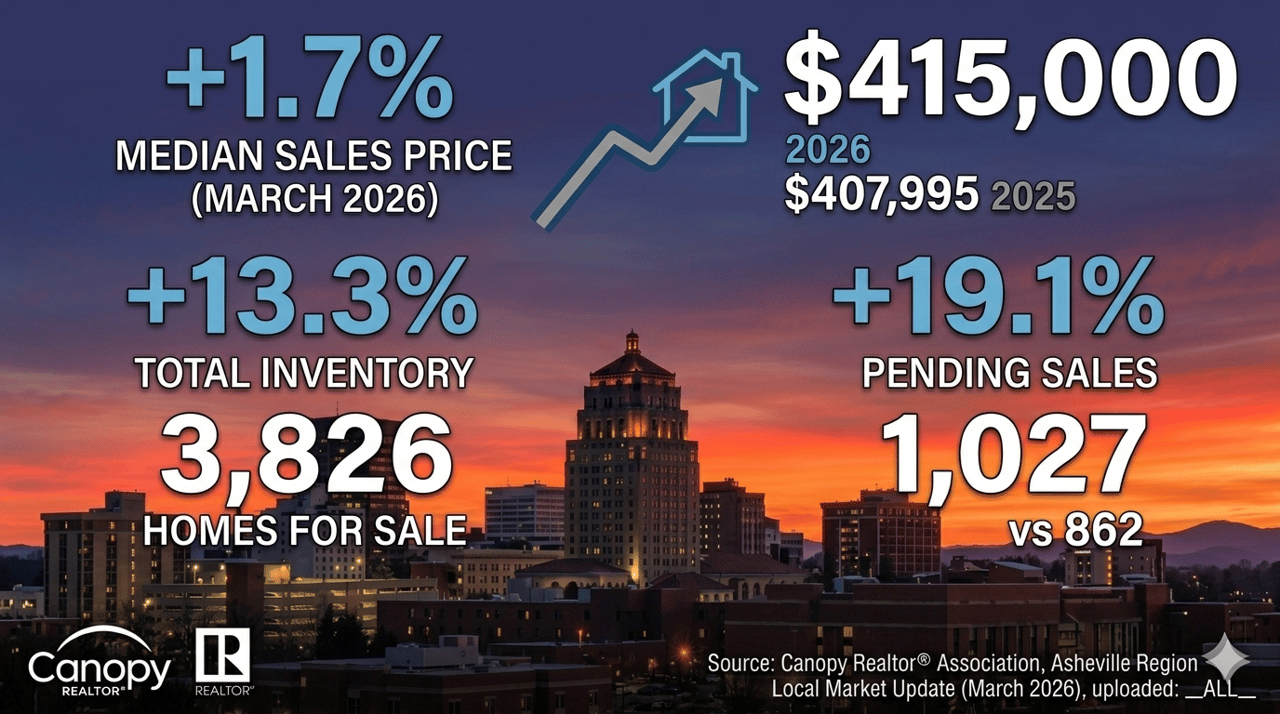
Western North Carolina has seen sustained interest from lifestyle buyers in recent years, and conditions vary by neighborhood and price point. When you are ready to act, review fresh local MLS data on median price, time on market, and inventory for your specific property type. In a dynamic market, neighborhood-level trends are more meaningful than county-wide snapshots.
Is Waynesville right for you?
If you want mountain scenery with everyday convenience, a lively but relaxed downtown, and quick access to trails and scenic drives, Waynesville checks a lot of boxes. Your best fit will come down to how you balance walkability, commute needs, privacy, and property maintenance. With the right plan and due diligence, you can find a home that matches your lifestyle today and positions you well for tomorrow.
If you would like a local guide who combines mountain know-how with modern, hands-on service across Western North Carolina, connect with Preston Mayfield. Let’s talk about your goals, shortlist the right neighborhoods, and map a smart path from search to closing.
FAQs
How long is the commute from Waynesville to Asheville?
- Typical drive time to Asheville’s center is commonly 30 to 50 minutes depending on exact start and end points, traffic, and weather. Check your route during your usual commute hours.
What are the main neighborhoods in Waynesville?
- Popular areas include Downtown Waynesville, Frog Level/Railroad District, Junaluska/Lake Junaluska, Hazelwood, and outlying ridge and rural neighborhoods with larger lots and views.
Is there a walkable downtown in Waynesville?
- Yes. Downtown Waynesville offers a compact Main Street with shops, dining, galleries, and community events, though walkability varies by block and neighborhood.
Are there flood risks I should know about in Waynesville?
- Low-lying areas near creeks have flood risk, and parts of the Frog Level/Railroad District have a history of flooding. Review FEMA flood maps and confirm elevation during due diligence.
What should I check about utilities and internet for a mountain home?
- In town, municipal water, sewer, and broadband are common. In rural areas, confirm well and septic system condition, road maintenance, and address-specific internet providers and speeds.
How does winter weather affect daily life and access?
- Snow and ice can impact steep or shaded roads and long driveways. Ask about road maintenance, plowing responsibilities, and plan for proper winter vehicle readiness at higher elevations.