Looking for a quiet, wooded place near Asheville without feeling cut off from daily life? Biltmore Forest stands out because it offers exactly that balance. If you are considering a move to this area, it helps to understand what makes the town distinct, how it was planned, and why its leafy character feels so consistent from street to street. Let’s dive in.
What Makes Biltmore Forest Different
Biltmore Forest is not simply a neighborhood of Asheville. It is an incorporated town in Buncombe County, chartered in 1923, with its own municipal services including police, public works, water, zoning, and sanitation, according to the Town of Biltmore Forest. That independent structure shapes both the daily experience and the way the community is managed.
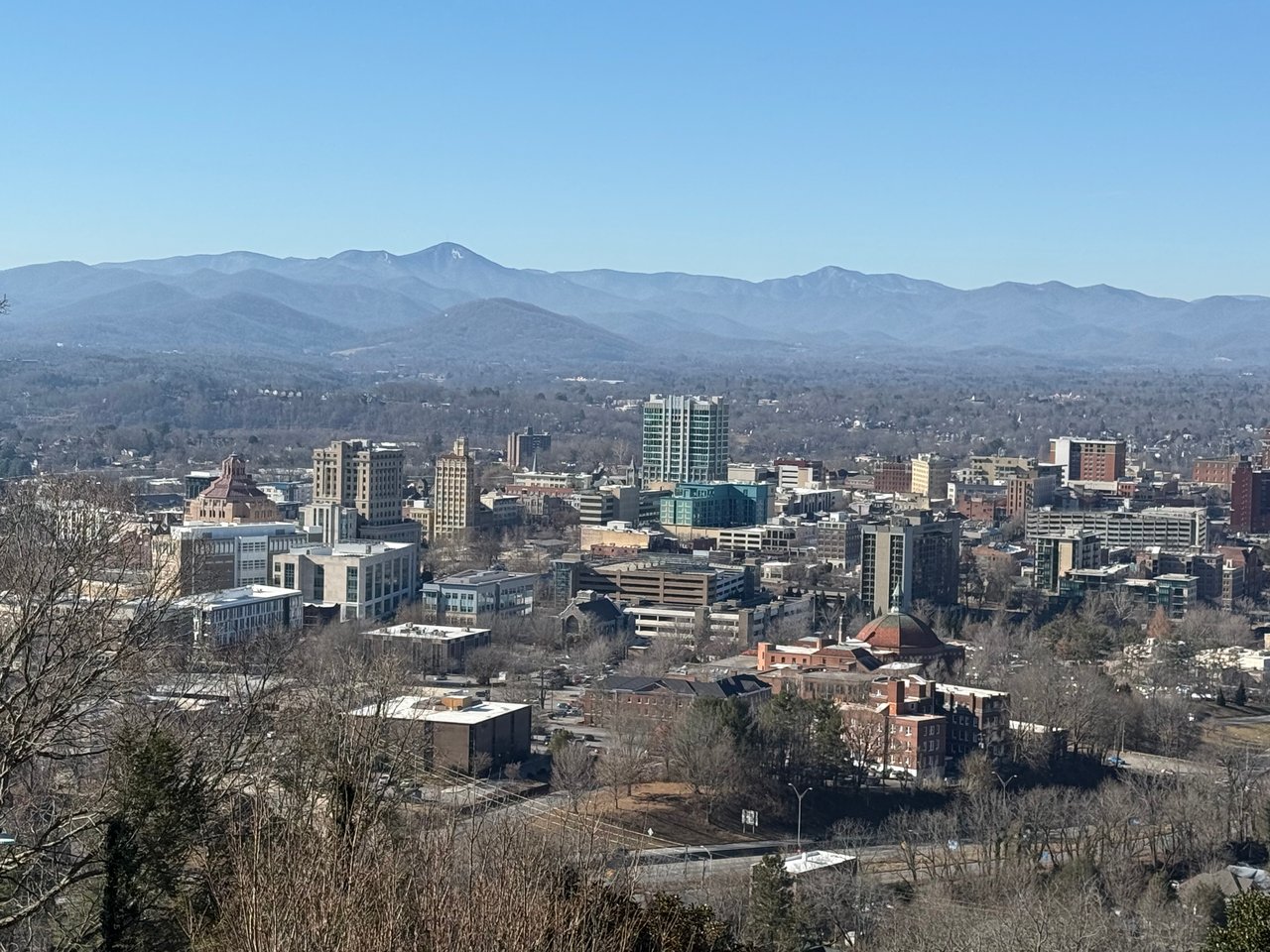
The town covers about 2.9 square miles and sits between the Biltmore Estate, the Blue Ridge Parkway, and the City of Asheville. That location gives you a tucked-away residential setting while keeping you close to some of the area’s best-known destinations and practical conveniences.
A Planned Town With Lasting Character
Part of Biltmore Forest’s appeal comes from how intentionally it was created. The town explains that after the 1916 flood damaged Biltmore Village and the Biltmore Estate, planners set aside roughly 1,500 acres for a restricted residential community, with lots generally ranging from 3 to 5 acres and a focus on preserving a park-like setting, as noted on the town history page.
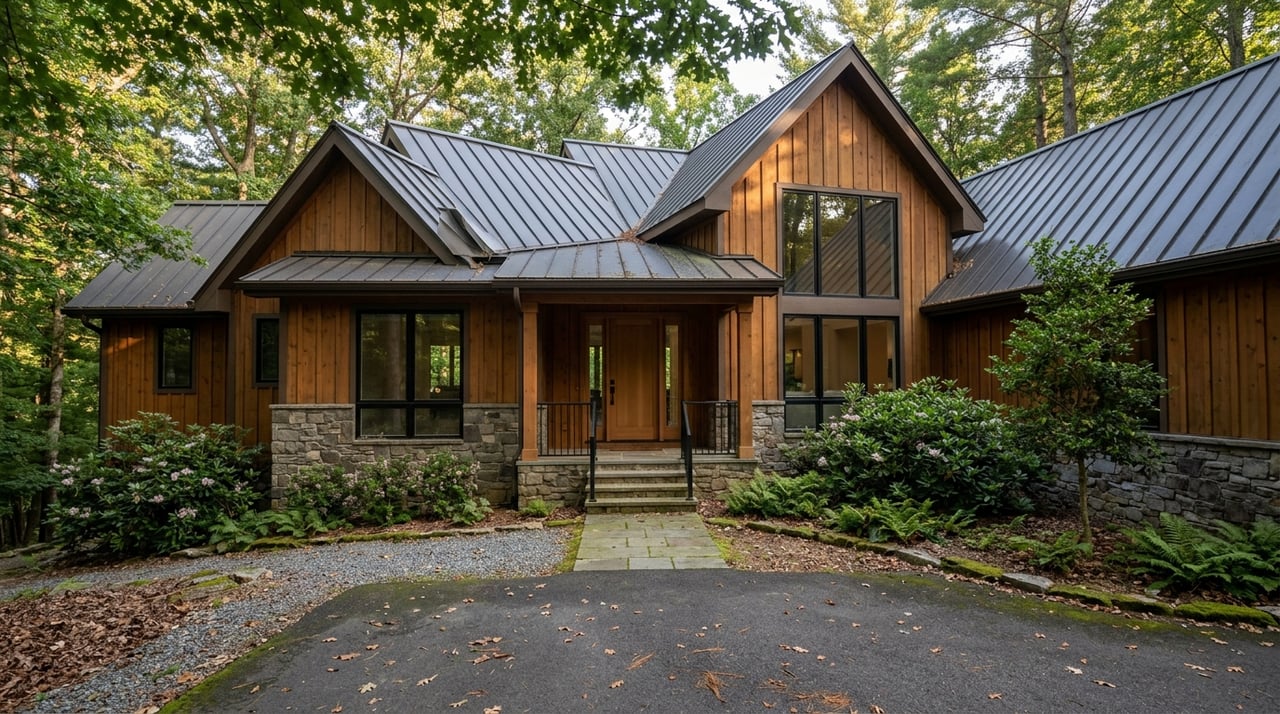
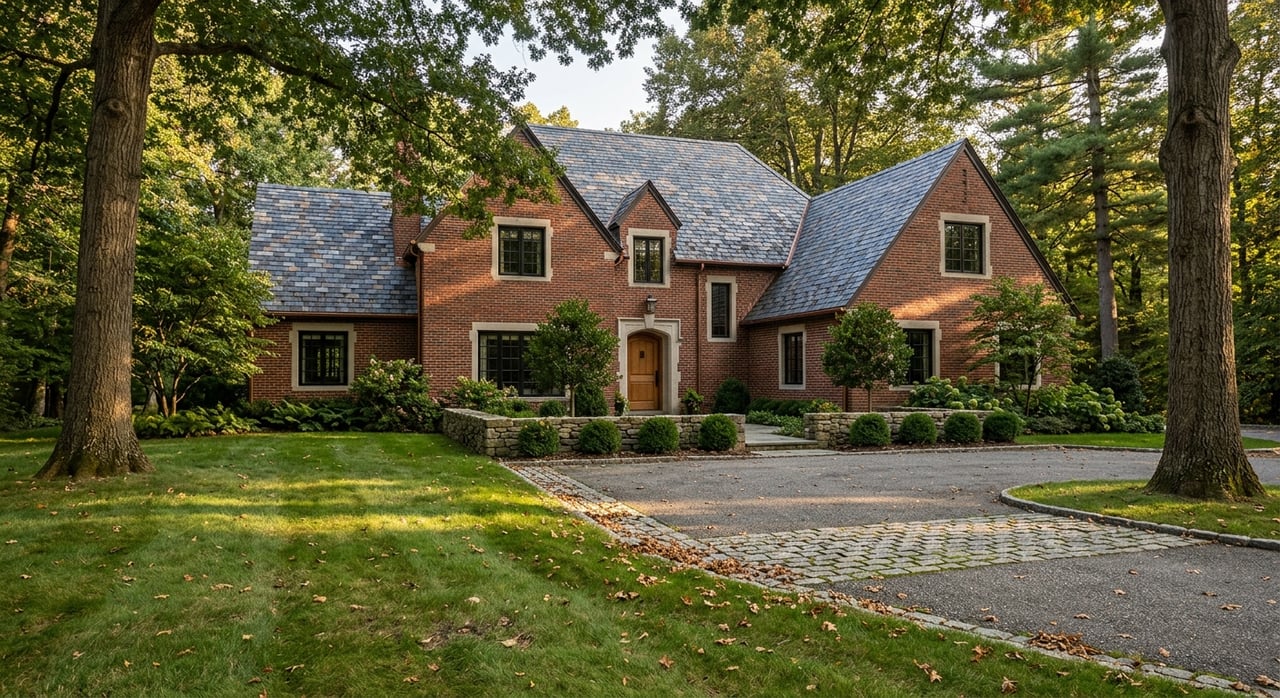
That planning still shows today. Rather than feeling pieced together over time, many streets have a cohesive, established look. Official town materials point to architectural influences such as Colonial Revival, Craftsman, Rustic, and Tudor Revival, which helps explain the area’s polished and consistent streetscape.
Why The Town Feels So Leafy
The wooded feel of Biltmore Forest is not accidental. It is reinforced by local planning and preservation policies designed to protect tree canopy, streetscape, and overall residential character, as described in the town’s planning and zoning philosophy.
The town states that preserving and enhancing nature is central to local beauty. Tree removal is regulated, structures are not allowed in front yards, fences have long been discouraged, and a 2023 update to the Tree Preservation Ordinance added replanting requirements when trees are removed. For you as a buyer, that means the setting you see today is supported by rules intended to maintain it over time.
Homes And Setting
Biltmore Forest tends to attract buyers who value privacy, mature landscaping, and a more spacious residential environment. The original planning concept of larger lots still influences the feel of the town, and that lower-density pattern helps create the sense of separation many buyers are looking for.
The homes themselves often sit within established landscaping and tree cover, so the streets feel more sheltered than showy. If you are comparing Biltmore Forest with other Asheville-area locations, one key difference is that the setting here often takes center stage just as much as the home.
Lifestyle In Biltmore Forest
Daily life here is shaped by calm surroundings and close-in convenience. While Biltmore Forest feels residential and quiet, it is near Biltmore Village, which Explore Asheville describes as a historic area with brick streets, shops, and restaurants at the entrance to Biltmore Estate. The same source notes that the estate is just minutes from downtown Asheville.
That means you can enjoy a more secluded home environment without being far from dining, shopping, healthcare, and other essentials. The town’s local area resources also list nearby services such as Buncombe County Schools, Carolina Day School, Mission Hospital, and major utilities, which gives you a sense of the practical support nearby.
Country Club Influence
Club culture is a meaningful part of Biltmore Forest’s identity. Biltmore Forest Country Club describes itself as a private, invitation-only club founded in 1922, located on 135 acres within the town and featuring a Donald Ross-designed golf course along with clubhouse, pool, fitness, and tennis amenities.
Its history is closely tied to the town’s early development. According to the club’s history page, the course and clubhouse were part of the area’s early vision, and the club remains member-owned today. If access to club-centered recreation and social opportunities matters to you, that is one of the defining lifestyle features to understand here.
Who Biltmore Forest May Appeal To
Biltmore Forest generally fits buyers looking for privacy, a preserved setting, and convenient access to Asheville rather than a more urban pace. Public data points to a mature, highly owner-occupied community. The Census Reporter profile shows a median age of 52.6, while Data USA reports a 2023 median household income of $172,500, a median property value of $1.25 million, and a 97.4% homeownership rate.
Those numbers help explain the area’s overall character. Buyers are often drawn to the town for its long-term residential feel, larger homesites, and established landscape rather than for density or walkable urban living.
Connected, Not Remote
One reason Biltmore Forest stands out is that it feels sheltered without feeling isolated. Data USA reports an average commute of 17.9 minutes, with 70.4% of workers driving alone and 24.1% working from home. That supports the idea of a quiet residential setting that still works well for people who need regular access to Asheville and surrounding areas.
For second-home buyers or relocating buyers, this can be especially appealing. You get the sense of retreat many people want in Western North Carolina, but with a location that remains practical for everyday routines, services, and travel around town.
What To Consider Before Buying
If you are thinking seriously about Biltmore Forest, it helps to look beyond the canopy and curb appeal and focus on fit. This town has a very specific identity, and that is a strength if it matches what you want.
Here are a few smart questions to ask yourself:
- Do you want a private, residential setting more than a busy, walkable one?
- Are mature trees, larger lots, and preserved streetscapes high on your priority list?
- Does proximity to Asheville matter, even if you prefer some separation from city activity?
- Are club amenities or a golf-centered lifestyle part of your interest?
- Are you comfortable with a market where home values and ownership patterns reflect a more established luxury profile?
If your answers lean yes, Biltmore Forest may be worth a closer look.
Why Local Guidance Matters Here
Biltmore Forest is small, distinctive, and shaped by planning rules that directly affect how the town looks and functions. In a place like this, local context matters. Understanding municipal structure, preservation policies, property patterns, and access points can help you evaluate whether a home and the town itself fit your goals.
Whether you are relocating full-time or searching for a second home in Western North Carolina, it helps to work with someone who can put the setting, housing, and lifestyle into practical terms. If you want help exploring homes in Biltmore Forest or comparing it with other Asheville-area options, connect with Preston Mayfield for local insight and personalized guidance.
FAQs
What is Biltmore Forest in Buncombe County, NC?
- Biltmore Forest is an incorporated town in Buncombe County, chartered in 1923, located between the Biltmore Estate, the Blue Ridge Parkway, and the City of Asheville.
How is Biltmore Forest different from an Asheville neighborhood?
- Biltmore Forest is its own municipality and provides its own police, public works, water, zoning, and sanitation, which sets it apart from a typical Asheville neighborhood.
What kinds of homes and architecture are found in Biltmore Forest?
- Official town materials reference Colonial Revival, Craftsman, Rustic, and Tudor Revival influences, and the area is known for established homesites and a coordinated residential character.
Why does Biltmore Forest have such a wooded feel?
- The town uses preservation-focused planning policies, including tree regulations and replanting requirements, to help protect canopy, streetscape, and its park-like setting.
Is Biltmore Forest close to downtown Asheville?
- Yes. The area is near Biltmore Village and the Biltmore Estate, which Explore Asheville says is just minutes from downtown Asheville.
Is there a country club in Biltmore Forest?
- Yes. Biltmore Forest Country Club is a private, invitation-only club in town with golf, tennis, fitness, pool, and clubhouse amenities.
Who tends to buy homes in Biltmore Forest?
- Public data suggests the town appeals to buyers seeking a mature, owner-occupied community with privacy, larger lots, established landscaping, and close-in convenience near Asheville.