Thinking about a second home in Waynesville? It is easy to get drawn in by the mountain setting, the walkable downtown, and the easy access to places like the Smokies and the Blue Ridge Parkway. But buying a second home here takes more than falling for the view. You need to know how you will use the home, what it will cost to carry, and how mountain conditions can affect access and upkeep. Let’s dive in.
Why Waynesville Appeals to Second-Home Buyers
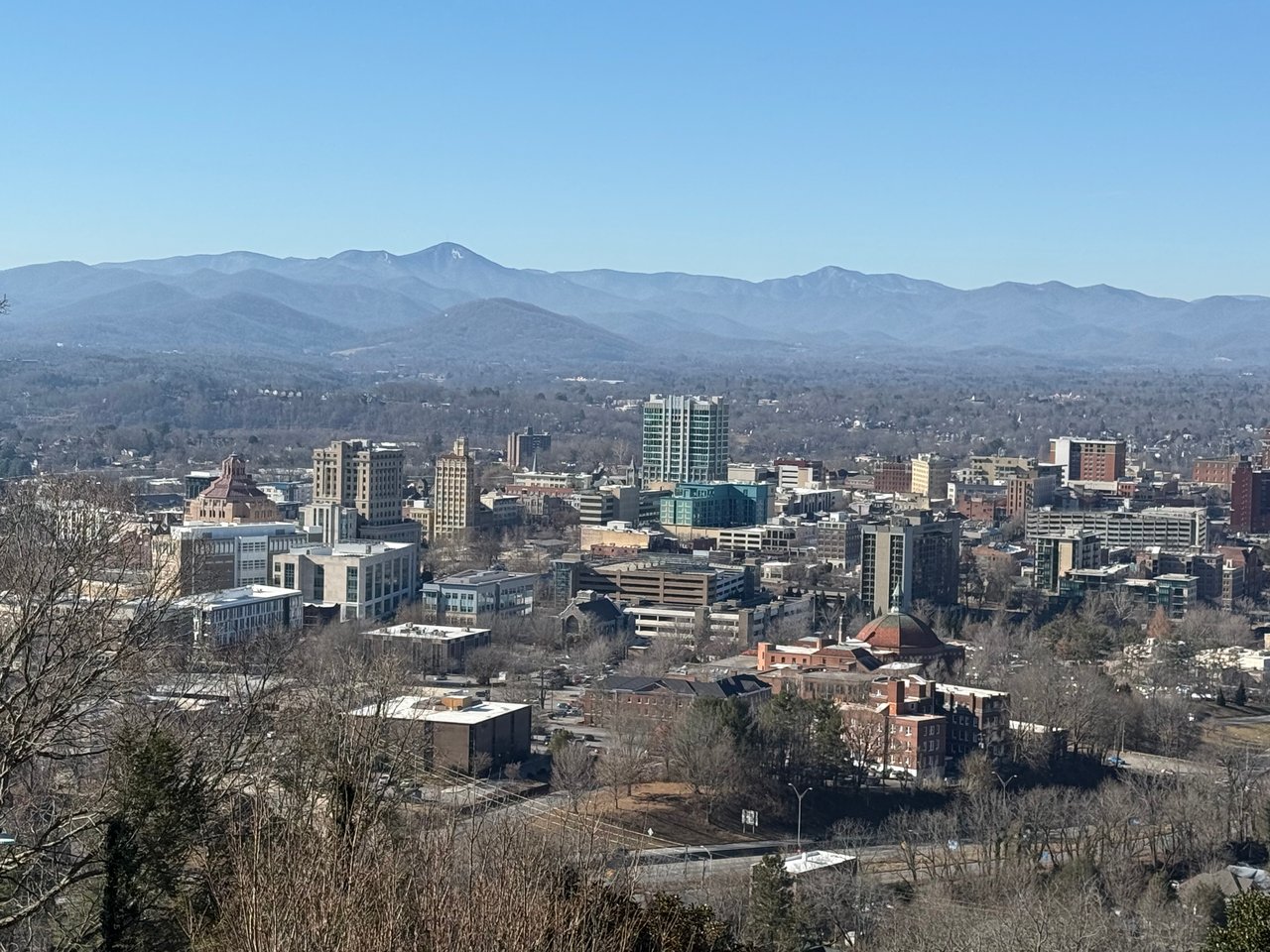
Waynesville offers something many mountain buyers want: a true small-town base with four-season appeal. According to the Town of Waynesville, the town has 10,663 residents, sits at 2,713 feet in elevation, and sees mild summers, colorful falls, and snowy winter views.
The setting feels approachable rather than overly resort-driven. Waynesville is known for its historic downtown, and the town highlights downtown revitalization as a core part of community life. You also have access to nearby spots like Lake Junaluska and Maggie Valley, which gives you options depending on whether you want an in-town experience, a trail-oriented setting, or a more scenic mountain backdrop.
Regional access is another major reason buyers look here. The Great Smoky Mountains National Park welcomed more than 12 million recreational visits in 2024, and the Blue Ridge Parkway adds even more outdoor draw to the area. If your goal is a mountain home that can serve as a weekend retreat or seasonal base, Waynesville checks a lot of boxes.
Start With How You Will Use It
Before you compare listings, ask yourself one simple question: what is this home really for? That answer should guide almost every other decision.
If you plan to use the property mainly for weekend trips, your priorities may center on convenience, lower maintenance, and easy year-round access. If you want a longer seasonal retreat, you may care more about privacy, outdoor space, and utility setup. If rental income is part of the picture, your due diligence needs to start much earlier.
A second home in Waynesville can work in a few different ways:
- A walkable downtown base near shops, galleries, and restaurants
- A home near Lake Junaluska with trail access and a different pace
- A quieter mountain property with more privacy and elevation
Knowing your use pattern helps you filter properties faster and avoid paying for features you may not actually need.
Ask About Location Style
Not every Waynesville-area second home offers the same lifestyle. That matters more than many buyers expect.
If you want to park the car and explore on foot, a home closer to downtown may fit best. The town and tourism materials describe downtown Waynesville as a walkable historic core with arts, dining, and shopping woven into the experience.
If you picture morning walks and an easy outdoor loop, Lake Junaluska may be worth a closer look. Visit Haywood describes its 3.8-mile paved trail loop as mostly flat, and the same source places Lake Junaluska about 9 minutes from Waynesville and about 29 minutes from Asheville.
If you want a more tucked-away mountain feel, a higher-elevation or more private lot may be more appealing. Just remember that extra privacy often comes with more questions about slope, drainage, utilities, and winter access.
Know the Real Carrying Costs
Purchase price is only part of the math with a second home. Your annual carrying costs can shape whether the property still feels comfortable after closing.
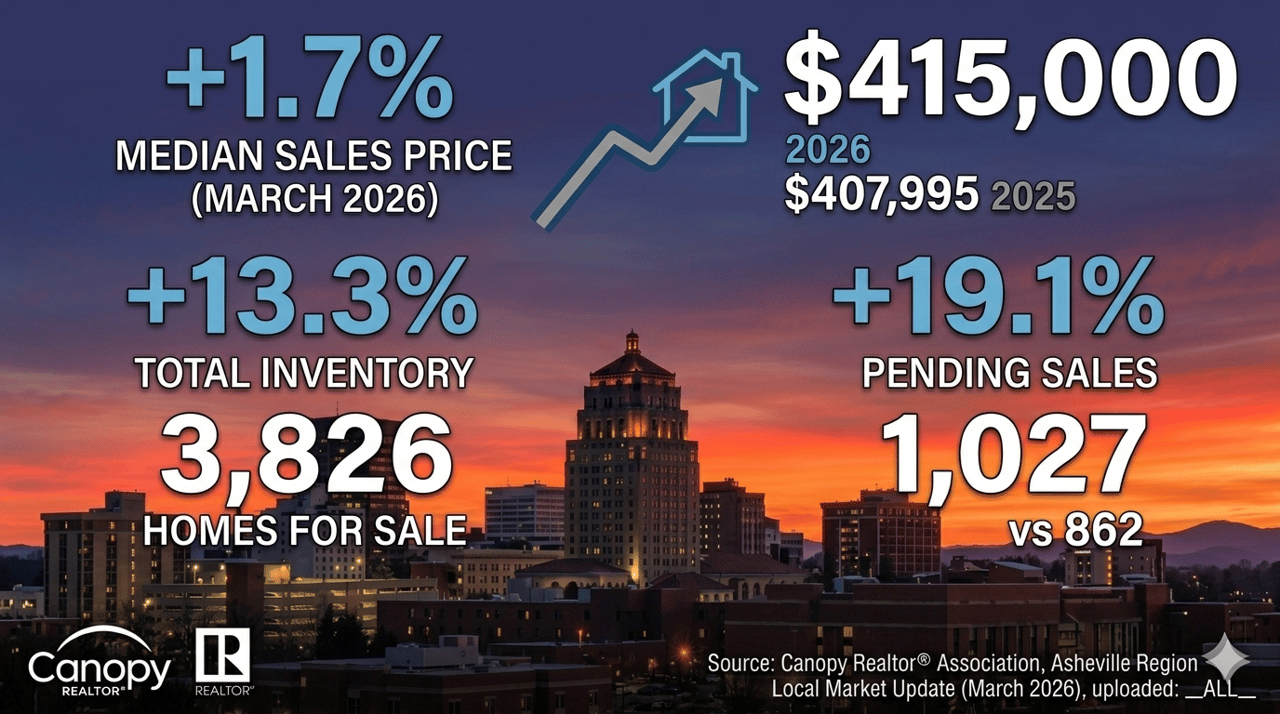
Recent market snapshots suggest Waynesville sits in a mid-$300,000 value range, though the exact figure depends on the source and methodology. Zillow reported an average Waynesville home value of $348,098 as of February 28, 2026, along with a median sale price of $383,167.
Property taxes are an important part of the budget. Haywood County lists a county tax rate of $0.55 per $100 of assessed value, and the Town of Waynesville lists a town rate of 47.9 cents per $100 effective July 1, 2024. Inside town limits, that works out to roughly $1.029 per $100 before any fire district assessment, which is about $3,600 per year on a $348,000 home and about $4,100 on a $400,000 home.
As you evaluate homes, ask for the full annual picture, including:
- Property taxes
- Insurance
- HOA dues, if any
- Utilities
- Lawn or landscape care
- Snow removal
- Cleaning and routine maintenance
- Reserve funds for repairs
That full-number approach will help you buy with confidence instead of surprises.
Confirm Winter Access Early
Waynesville is not a heavy-snow market, but winter still matters. The town climate information lists an annual average temperature of 54.1°F, with January averaging 37.5°F and average snowfall around 12.2 inches annually.
That may sound manageable, and often it is, but mountain conditions can still affect daily use. The town says it maintains about 180 lane miles and notes that steep grades, higher elevations, and narrow residential streets can complicate winter operations. Snow removal begins once snowfall reaches about 2 inches, according to the town’s winter storm response guidance.
When you tour a property, ask practical questions like:
- Is the road public or private?
- Who handles snow removal?
- How steep is the driveway?
- Is there enough parking and turnaround space?
- Can you access the home comfortably if you arrive after a storm?
For remote buyers, this is especially important. A beautiful mountain home can feel very different when you are arriving at night in winter with no local support lined up.
Check Drainage and Slope Conditions
Mountain lots need a different lens than flatland properties. Water movement, grading, and hillside stability all deserve close attention.
Waynesville’s stormwater program treats runoff from rain and melted snow as an ongoing management issue. That is a useful reminder for second-home buyers because a property that sits empty part of the year may not get noticed right away if drainage problems develop.
During showings, look closely at:
- Gutters and downspouts
- Water flow near the foundation
- Grading around the home
- Signs of erosion
- Retaining walls
- Damp areas around lower levels or crawl spaces
These are not small details in the mountains. They can affect maintenance costs, usability, and peace of mind.
Understand Utilities and Service Setup
Utility service can vary from one property to the next, especially when you move between in-town homes and more tucked-away mountain properties. That is why utility questions should be part of your early screening, not an afterthought.
The town operates an 8 million-gallon-per-day water treatment plant serving 17,000 customers. Town information also notes that electricity may come from the town or Duke Energy, while gas service may come from PSNC or propane.
Ask which providers serve the property and whether any systems are private or owner-maintained. If a home has a setup that requires more hands-on oversight, that may be fine, but it should match how often you plan to visit and how involved you want ownership to be.
Decide If Rental Use Is Part of the Plan
If you may rent the home for short stays, bring that into the conversation from day one. A second home used only by you has a different checklist than one that may also serve as a short-term rental.
Haywood County requires a 4% occupancy tax on stays under 90 days, along with registration and monthly remittance to the county finance office. That means rental intent adds both compliance and management questions.
If short-term rental is part of your strategy, ask:
- Is the property suitable for guest turnover and cleaning access?
- Who will handle local maintenance and emergency response?
- Who will manage occupancy tax registration and remittance?
- Does the added complexity still fit your goals for a second home?
Even if rental income is only a possibility, it is smart to understand the obligations before you buy.
Build Your Touring Checklist
When you are buying from out of market, a clear question set helps you stay focused. It also keeps emotion from taking over too early.
Here are the key questions to bring on every Waynesville second-home tour:
- How often will you realistically use the home, and in which seasons?
- Does the location fit your lifestyle: downtown, lake-adjacent, or more private mountain setting?
- What is the winter access plan for the road, driveway, and parking?
- Which utility providers serve the property?
- Are any systems private or owner-maintained?
- What is the full annual carrying cost?
- Are there visible drainage, runoff, or slope concerns?
- If rental use is possible, who handles tax compliance and local support?
- Who can help with cleaning, routine maintenance, and urgent issues when you are away?
A second home should feel restorative, not complicated. The right questions help you find the balance.
A Smart Way to Buy in Waynesville
Waynesville can be a strong fit if you want a mountain home with small-town charm, four-season appeal, and practical access to Asheville, Lake Junaluska, the Smokies, and the Blue Ridge Parkway. The key is to evaluate each property through the realities of mountain ownership, especially access, maintenance, utilities, and carrying costs.
If you are considering a second home in Waynesville, working with a local guide can make the process much clearer. Preston Mayfield helps buyers across Western North Carolina think through not just the property, but how the home will actually live over time.
FAQs
What should you ask before buying a second home in Waynesville?
- Ask about how often you will use the home, winter access, carrying costs, utility setup, drainage, and whether short-term rental rules or occupancy tax obligations may apply.
How much are property taxes for a second home in Waynesville?
- Based on the Haywood County and Town of Waynesville rates listed in the research, a home inside town limits is taxed at roughly $1.029 per $100 of assessed value before any fire district assessment.
Is winter weather a real issue for Waynesville second-home buyers?
- Yes. Waynesville is mild compared with some mountain markets, but snow, ice, steep grades, and narrow roads can still affect access and maintenance.
What carrying costs matter most for a Waynesville second home?
- The main costs to review are property taxes, insurance, HOA dues, utilities, snow removal, landscaping, cleaning, and ongoing repair reserves.
Can you use a Waynesville second home as a short-term rental?
- Potentially, but if stays are under 90 days, Haywood County requires a 4% occupancy tax plus registration and monthly remittance to the county finance office.