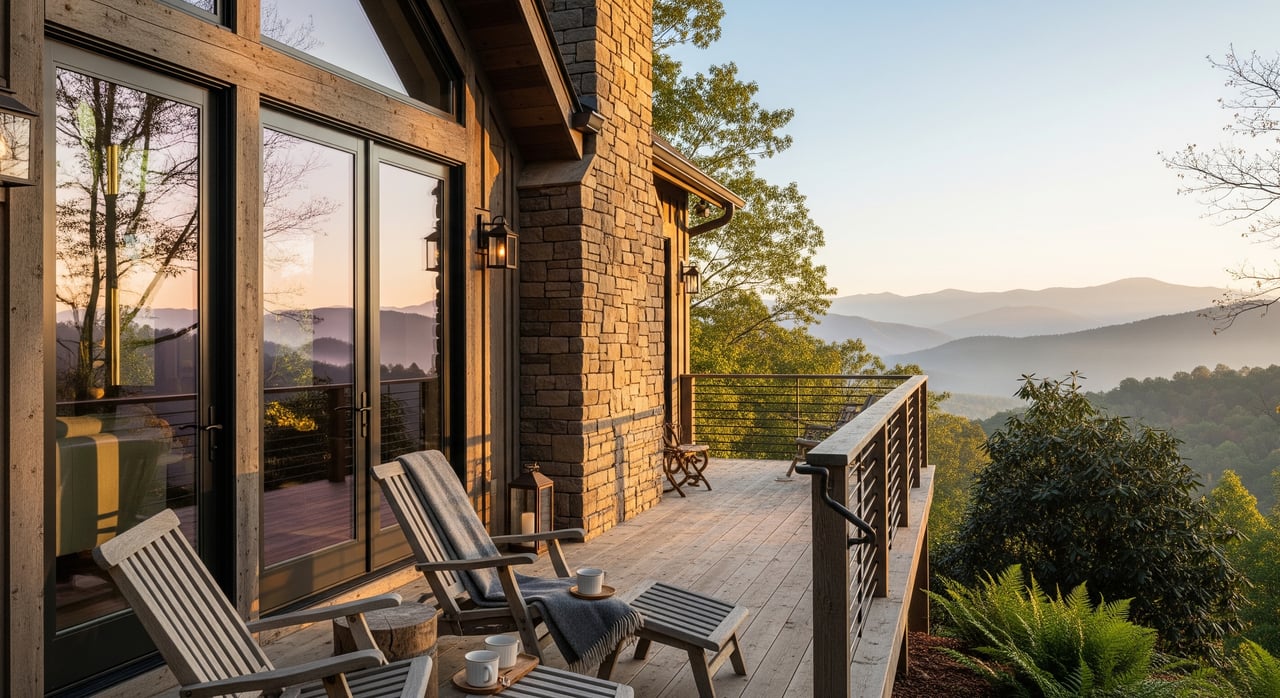
Thinking about moving to Asheville and want to test-drive everyday life before you commit? Spend one weekend living like a future local. You’ll sip coffee in walkable districts, cruise the greenway, pop into working art studios, and still make it to a mountain trail before lunch. By the end, you’ll see how the outdoor-forward, creative pace here can fit your routine. Let’s dive in.
How to use this weekend
You’re here to feel daily rhythms, not check off tourist sights. Focus on neighborhood streets, grocery runs, green spaces, and the places locals gather. If you can, mix in a weekday morning or evening to see the true pace.
Asheville Regional Airport offers nonstop flights to major hubs, and interstates I-26 and I-40 connect you to the city. The Blue Ridge Parkway puts trailheads within easy reach of town. If you plan to explore downtown or South Slope on a weekend, arrive early for easier parking.
Friday evening: arrive and settle in
Where to stay for a clear read
Choose a short-stay near Downtown and South Slope, West Asheville along Haywood Road, North Asheville or Montford, or Biltmore Village. These areas give you walkable access to cafes, groceries, parks, and evening options.
If you prefer quieter streets after dark, look at North Asheville or Biltmore Village. If you want an energetic vibe, Downtown and South Slope are lively and central.
Dinner and a neighborhood walk
Head to Downtown or South Slope for a simple way to cover more ground. You’ll find restaurants, small markets, and a dense cluster of taprooms. Asheville is often called “Beer City” for good reason, and many taprooms act as neighborhood living rooms with patios and food trucks.
West Asheville’s Haywood Road offers a local feel with independent spots and casual music rooms. Notice the small retail pockets, side-street bungalows, and how easy it is to walk between dinner and a drink. Downtown and South Slope run busier during peak seasons, so weekday evenings offer a clearer read on the flow of local life.
Saturday morning: coffee, market, and a greenway lap
Coffee by district
Start your day at a neighborhood roaster or independent cafe. Downtown and South Slope have grab-and-go spots alongside linger-friendly cafes with all-day kitchens. West Asheville concentrates cafes along Haywood Road. North Asheville and Montford feature quieter corners that are good for remote work or a relaxed morning.
Farmers’ market pulse
If your visit lines up with market season, drop by a local market to see weekly routines and meet producers. It’s a simple way to sense community rhythms and seasonal food culture.
Easy greenway miles
Walk or bike the French Broad River greenway for an everyday snapshot. Carrier Park sits along the river with sports fields, paths, and paddling access. You’ll see families, runners, cyclists, and dog walkers using it throughout the morning.
Optional quick trail
If you brought a car and want a short nature break, head to Bent Creek Experimental Forest for hiking or mountain biking. It is typically 15 to 25 minutes from central Asheville. On clear days, a Blue Ridge Parkway overlook like Craggy Gardens can be about 20 to 40 minutes from town, with short trails and big views.
Saturday afternoon: RAD to neighborhood strolls
River Arts District
Spend a couple of hours in the River Arts District. Working studios, galleries, and creative spaces fill converted warehouses along Riverside Drive and Roberts Street. You’ll find food and drink options nearby and river access for a quick walk between stops.
West or North Asheville on foot
Head west on Haywood Road or north toward Montford to sample residential streets. In West Asheville, bungalows and newer infill homes line side streets just off the main corridor. In Montford and North Asheville, you’ll find tree-lined blocks, historic architecture, and small retail pockets near Merrimon Avenue.
Evening options
Circle back for a low-key dinner near your home base, then choose a taproom or a live-music room for the night. Downtown venues host touring acts and performing arts, while neighborhood taprooms in West Asheville or RAD feel more local-focused. If crowds are high, a Sunday or weekday show will give you a clearer sense of the scene.
Sunday: mountains to brunch
A half-day in the high country
Make your morning a longer outdoor outing. Blue Ridge Parkway access points lead to hikes at Craggy Gardens or Black Balsam within roughly 30 to 60 minutes. Pisgah National Forest trailheads, like Looking Glass Rock or Graveyard Fields, often run 45 to 75 minutes from downtown.
Brunch and errands back in town
Return to a calmer neighborhood for an easy brunch. North Asheville and Biltmore Village both offer a slower pace on Sunday afternoons. After you eat, map out groceries, pharmacies, and everyday services nearby to see how your weekly routine could look.
What to notice as you scout
- Sidewalks and bike lanes, plus how residents use them.
- Parking availability on busy and quiet blocks at different times of day.
- Noise levels near popular corridors versus side streets.
- Drive times from your potential neighborhood to the places you’ll go most.
Neighborhood snapshots
Downtown and South Slope
- Character: Urban core with offices, restaurants, galleries, hotels, and a dense brewery cluster in South Slope. Expect higher pedestrian traffic during peak seasons.
- Walkable corridors: Lexington Avenue and Patton Avenue downtown, plus South Slope near the rail line.
- Housing: Condos and apartments, with a few historic townhomes.
- Good for: You want a true urban lifestyle, short walks to dining and arts, and fewer daily car trips.
West Asheville (Haywood Road)
- Character: Independent, creative energy with strong street-level retail and music-taproom culture.
- Walkable corridors: Haywood Road with quick access to bungalow-lined side streets.
- Housing: Craftsman bungalows, cottages, duplexes, and newer infill builds.
- Good for: You want a neighborhood feel with cafes, parks, and good walkability.
River Arts District (RAD)
- Character: Industrial-creative zone with working studios, galleries, food and drink, and river access.
- Walkable corridors: Riverside Drive and Roberts Street along the French Broad River.
- Housing: Loft-style apartments and converted industrial units, with nearby single-family homes.
- Good for: You want creative energy, easy river access, and a unique live-work vibe.
North Asheville, Montford, and Oakley
- Character: Tree-lined streets and historic architecture in Montford, with an overall quieter residential feel that stays close to downtown.
- Walkable corridors: Merrimon Avenue and nearby neighborhood retail pockets.
- Housing: Historic bungalows, larger craftsman homes, and occasional period mansions.
- Good for: You want established neighborhoods with easy access to city amenities.
Biltmore Village and South Asheville (Biltmore Park, Arden)
- Character: Historic retail pockets near the Biltmore Estate and more suburban centers with planned sidewalks in South Asheville.
- Walkable corridors: Biltmore Village’s shopping streets and Biltmore Park Town Square.
- Housing: Historic cottages near the Village and newer subdivisions and townhomes farther south.
- Good for: You prefer a suburban pace, larger lots in some areas, and quick regional access.
Outlying towns to sample
- Weaverville to the north, Black Mountain to the east, and Fletcher to the south offer small-town atmospheres with manageable commutes. These areas can expand your options on price, yard size, and home style.
Everyday outdoor access
- Carrier Park: Riverfront park with fields, paths, and access to the French Broad River. It is a hub for weekend activities.
- French Broad River greenway: Multi-use paths for walking, running, and cycling that connect parks and some neighborhoods.
- Mountain biking: Bent Creek and Pisgah National Forest provide networks from beginner to advanced.
- Hiking: Blue Ridge Parkway overlooks and Pisgah offer short walks to longer treks within a half to full day.
- Paddling: The French Broad supports flatwater paddling and guided floats, with local outfitters offering rentals and shuttles.
Coffee, breweries, and arts
Coffee routines
Independent roasters anchor morning habits across districts. Expect quick espresso bars and sit-and-stay cafes with patios. Many locals pair a coffee stop with a greenway walk or a neighborhood errand.
Brewery culture by neighborhood
South Slope is a brewery-dense corridor close to downtown. West Asheville and RAD lean more neighborhood-driven and are popular for weeknight meetups. Across the city, taprooms serve as social hubs with patios, community events, and food trucks.
Arts and venues
Anchors like the River Arts District network, the Asheville Art Museum, and downtown performance venues shape a steady calendar. Look for gallery openings, artist markets, and concerts any time of year. Winter remains active, while spring and fall bring peak festival energy.
Practical tips for future locals
- Seasonal traffic: Spring through fall brings more visitors. Early mornings and weekdays provide a clearer view of local routines.
- Parking and driving: Downtown has on-street parking, garages, and paid lots. In popular neighborhoods, street parking can be limited at peak times.
- Commutes: Walkability helps in the core, but many residents still drive for larger groceries, trailheads, and commutes beyond central districts.
- Housing: Prices in walkable hot spots like Montford, West Asheville, and RAD-adjacent areas often reflect higher demand. You may find broader options in outlying towns or suburban neighborhoods.
- Schools and childcare: Buncombe County Schools serve the area, with private and charter options also available. Check district boundaries for specific properties.
- Weather: Four seasons with mild to warm summers and cool winters. Mountain weather can shift quickly at higher elevations, so keep layers handy.
Map your priorities to neighborhoods
- Walkability first: Start with Downtown and South Slope or West Asheville. Note cafes, everyday services, and greenway access.
- A quieter pace near the core: Look at North Asheville and Montford for tree-lined streets and quick trips into downtown.
- Suburban feel with quick regional access: Explore Biltmore Village and South Asheville areas like Biltmore Park and Arden.
- Creative-industrial energy: Try the River Arts District for studios and river proximity.
- Space and value: Add Weaverville, Black Mountain, or Fletcher to your scouting list.
Ready for a guided neighborhood tour?
If this weekend plan clicks with you, line up a focused tour that matches your lifestyle, commute, and outdoor goals. I’ll help you compare micro-markets, walk the blocks that fit your routine, and prioritize homes that support how you want to live in the mountains. Reach out to Preston Mayfield to start planning your next visit.
FAQs
How walkable is Asheville for daily life?
- In the downtown core, parts of West Asheville, and Biltmore Village you can run many errands on foot, but most residents still use a car for larger trips and mountain trailheads.
How close are good hikes to central Asheville?
- Many day-hike trailheads are about 20 to 60 minutes away along the Blue Ridge Parkway, with Pisgah trailheads often 45 to 75 minutes depending on the route.
What is the best time to scout neighborhoods?
- Mix a weekday morning or early evening with a weekend to see parking, traffic, and noise patterns across different times and seasons.
What should families know about schools and childcare?
- Buncombe County Schools serve the area and there are private and charter options, so check district boundaries and availability for specific properties.
Are breweries mainly for tourists or locals?
- Both, since some taprooms draw visitors while many serve as neighborhood hangouts; weeknights and local-focused corridors offer a more resident-centered feel.
Will I need a car if I live downtown?
- You can reduce daily car use in the core neighborhoods, but a vehicle is still helpful for larger errands, regional commuting, and reaching trailheads.
How long are typical drives to nearby outdoor spots?
- Expect roughly 15 to 25 minutes to Bent Creek, 20 to 40 minutes to Blue Ridge Parkway access points, and 45 to 75 minutes to many Pisgah trailheads.