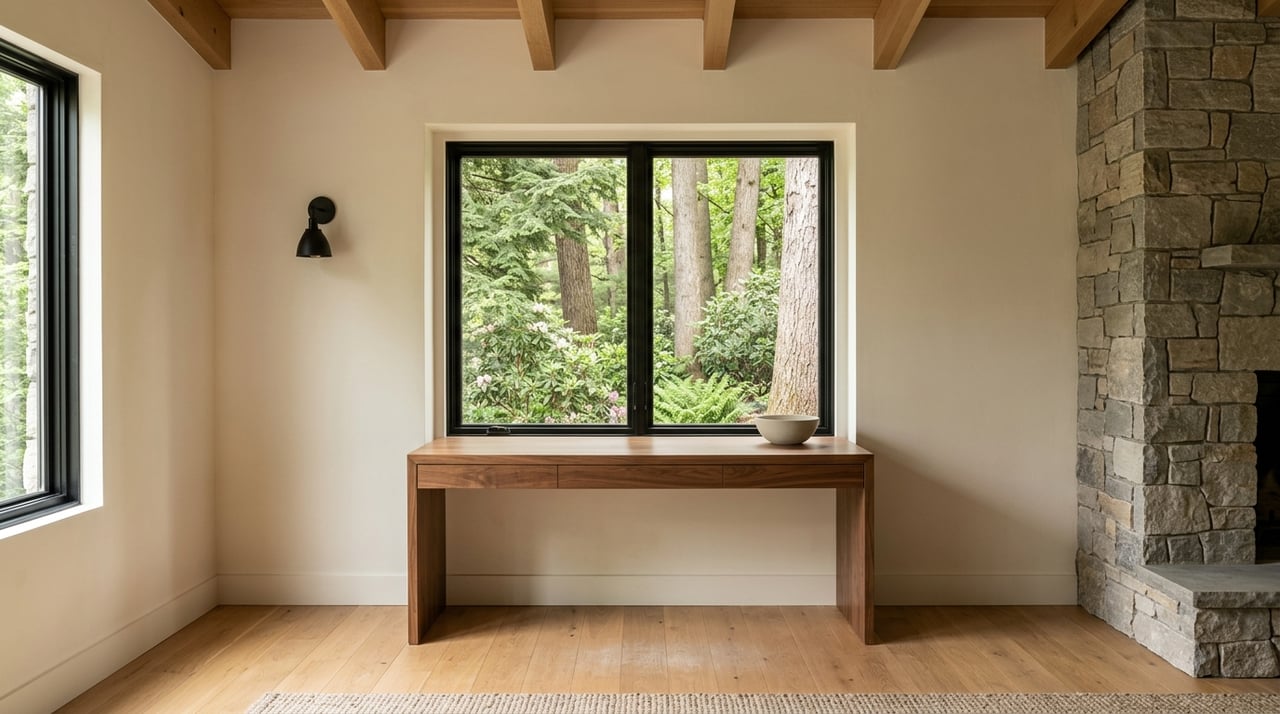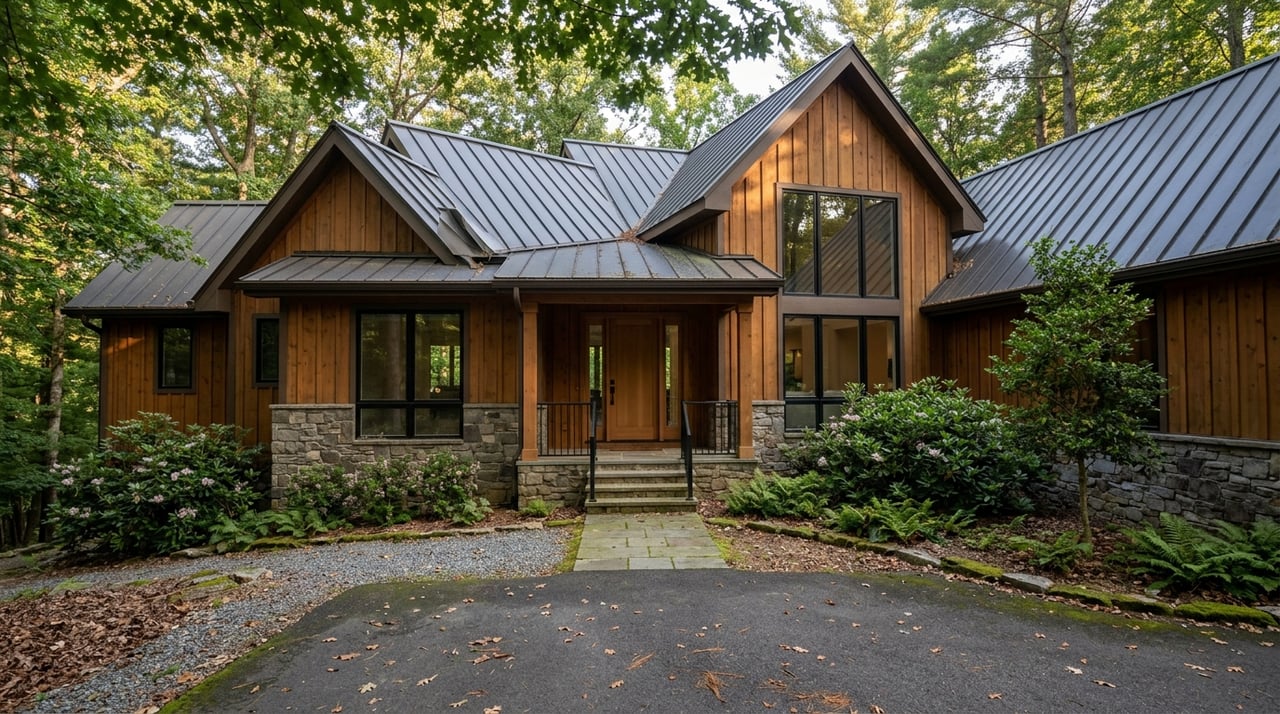
Picture your future retreat tucked among evergreens, with morning light over the ridgelines and the sound of a nearby creek. Buying land near Brevard can absolutely get you there, but mountain parcels come with unique rules, utilities, and site challenges that you want to understand before you write an offer. In this guide, you’ll learn exactly how to evaluate lots in Transylvania County, which approvals matter, who to call, and a realistic step-by-step timeline to move from dreaming to due diligence. Let’s dive in.
Know which rules apply first
Your first move is to confirm whether a parcel sits in the City of Brevard, its extraterritorial jurisdiction (ETJ), or unincorporated Transylvania County. That single detail determines which development rules govern your future cabin or second home. The county does not have county-wide zoning, but it does enforce several land-use ordinances that affect how and where you can build.
- Use the county’s parcel viewer to check ETJ, flood, and overlay layers. Start with the Transylvania County GIS map.
- If the lot is in the city or ETJ, review the City of Brevard’s Unified Development Ordinance for zoning and site standards.
- For county parcels, review key ordinances like Mountain Ridge Protection, Subdivision Control, Scenic Corridor, and Watershed Protection on the county’s Planning and Community Development ordinances page.
Overlays that shape mountain parcels
A dramatic view lot may sit on a protected ridgeline or within a scenic corridor. Before you assume you can build tall or clear wide, confirm if any Mountain Ridge Protection or Scenic Corridor overlays apply. The county’s ordinances page outlines these rules so you can align your plans with height, setback, and clearing limits early.
Septic, wells, and building permits: your buildability gatekeepers
For most rural properties in Transylvania County, septic and private well approvals are the critical first step. Transylvania Public Health (Environmental Health) issues septic and well permits and performs on-site evaluations. An Improvement Permit (site approval) and an Authorization for Wastewater System Construction are required before building, and they are generally valid for five years.
- Do not rely on verbal “it percs” claims. Ask for a valid Improvement Permit or require a soils/site evaluation as a contingency. Learn the process and request records through Transylvania Environmental Health.
- If you plan a new well, the same department issues well permits and oversees water sampling after drilling. Request any existing septic and well records during your diligence.
When you are ready to build, Transylvania County Building Permitting & Enforcement administers the North Carolina State Building Code and handles floodplain development permits. Septic approval is typically required before a new-home building permit is issued on unsewered parcels. Review the county’s process on the Building Permitting & Enforcement page.
Utilities and access: confirm service and costs early
Mountain parcels can appear simple on a map but require thoughtful planning for power, internet, water, and driveway access. A few early phone calls can protect your budget and timeline.
Electric service
Electric providers vary by road and neighborhood. County permit forms indicate that Haywood EMC and Duke serve different areas. Before you commit, ask the serving utility for a written estimate covering any line extension, transformer, or service upgrade. The county’s online permit portal lists utility options and is a good reference as you confirm which provider serves your address. Start with the permit application portal and contact the provider directly for quotes.
Internet and broadband
Wired internet coverage is improving but still patchy in remote areas. Comporium has been expanding rural fiber in Transylvania County through a state GREAT grant, but availability is highly address-specific. Verify serviceability at the road or driveway entrance with the ISP. You can read about the project on Comporium’s fiber expansion announcement, then confirm coverage directly with the provider.
Water and sewer
Inside Brevard city limits you will typically find municipal water and sewer. In rural areas, plan for private wells and septic systems or small community utilities. Confirm whether you’ll be tapping a shared system and request any recorded agreements or covenants. The county’s Environmental Health page is your hub for permit and records questions.
Road access and driveways
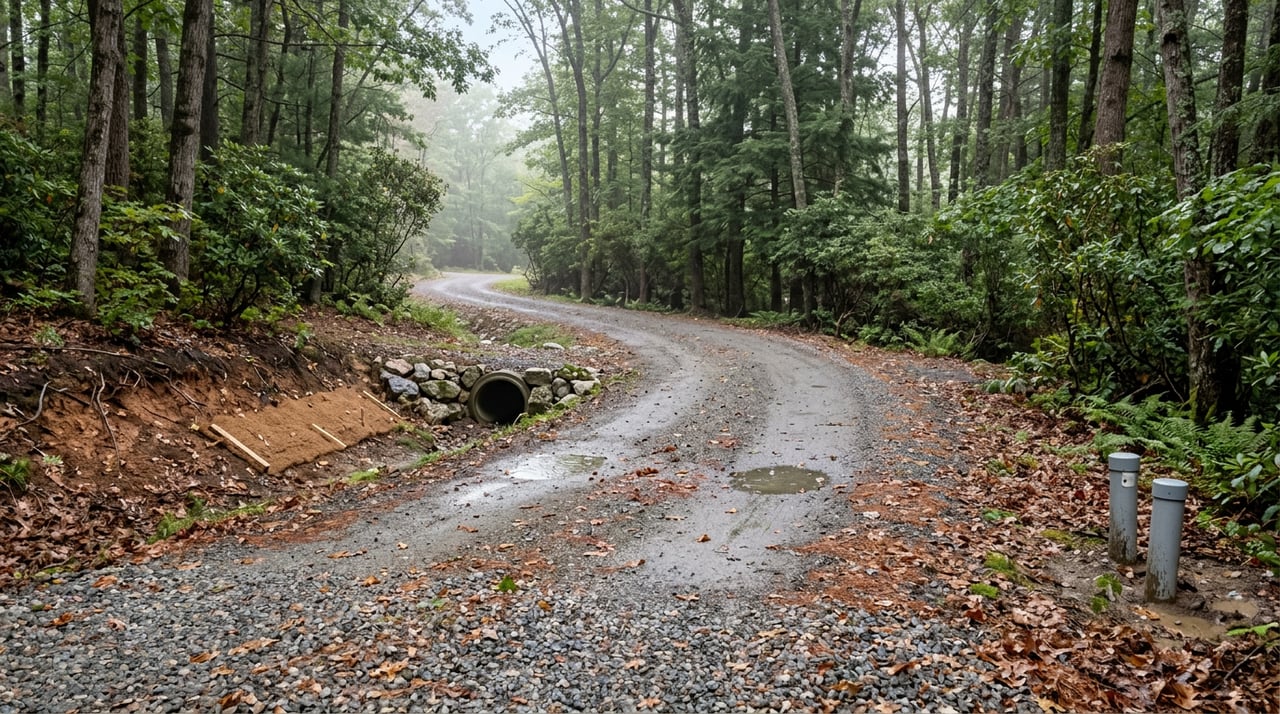
If your driveway ties into a state-maintained road, expect to work with NCDOT on a driveway or encroachment permit. Parcels on private roads should have a recorded road maintenance agreement. Subdivision rules also address emergency access and road design. Review applicable standards on the county’s ordinances page and confirm the road type and maintenance responsibility early.
How to evaluate a parcel: a practical checklist
Use this quick, repeatable process to screen and confirm buildability for a future retreat.
Quick pre-screen before you visit
- Confirm jurisdiction and overlays. Use the Transylvania County GIS to check ETJ boundaries, flood layers, and mountain ridge or scenic corridor overlays.
- Check floodplain status. Use the FEMA Flood Map Service Center to see whether the parcel lies in a regulated flood zone.
- Pull basic tax and parcel records. Review acreage, parcel ID, and any recorded covenants or easements through the county’s Tax Administration.
On-site feasibility items to confirm
- Soils and septic. Order a soils/site evaluation or ask Environmental Health to review recent findings. An existing Improvement Permit is strong proof of septic viability. Start with Environmental Health.
- Well potential. Ask for nearby well logs, known depths, and yields. Environmental Health maintains permit records and sets testing requirements for new wells.
- Utilities. Ask the serving electric utility for a written statement on the nearest line, service voltage, and estimated extension cost. Confirm wired or fixed wireless internet with ISPs at the address level via the permit portal’s utility reference and provider checks.
- Access. Determine whether your access is public or private. If private, request the road maintenance agreement and any HOA or gate rules. For state roads, plan for NCDOT driveway permit timing. Related standards are on the county ordinances page.
- Topography and build area. Get a recent boundary survey. On steeper or rocky sites, meet a builder on-site to identify realistic build pads and site prep needs. If ridge or scenic overlays apply, verify height limits and setbacks per the county ordinances.
- Easements and conservation. Search the Register of Deeds for any conservation easements, and be aware that active land trusts operate in the region. As context, local conservation organizations like Conserving Carolina are active here; you can see examples of activity on Conserving Carolina’s events page.
Budget and financing basics
Before you fall in love with a view, gather written quotes for the items that most often change the math:
- Soils/site evaluation and any engineered septic design
- Well drilling and required water testing
- Driveway grading, culverts, and possible NCDOT fees if a state road is involved
- Electric line extension, transformer, meter, and service upgrades
- Survey and potential lot clearing or erosion-control measures
- County septic, well, and building permit fees
Start fee and permit questions with Environmental Health and Building Permitting & Enforcement. For financing, know that raw land loans often require larger down payments and shorter terms than traditional mortgages. If you plan to build soon, explore construction or lot-to-construction financing with a lender experienced in rural mountain properties.
A step-by-step timeline you can follow
Here is a conservative timeline that keeps your options open while you confirm buildability. Adjust based on your goals and how quickly you want to move.
Weeks 0 to 2: research and pre-screen
- Use the county GIS viewer to confirm jurisdiction, overlays, and flood layers.
- Ask the seller or listing agent for the deed, any existing survey, septic/well records, HOA documents, and the parcel number. Request copies of any existing Improvement Permit through Environmental Health.
Weeks 2 to 6: feasibility and offer terms
- Order a boundary survey if none exists. Hire a soil professional or septic contractor for a soils evaluation and advice on system type.
- Write your offer with contingencies for septic/well approval, utility cost thresholds, and removal of unacceptable title, survey, or easement issues.
- Contact the electric provider and ISP to confirm serviceability and get written line extension and build quotes. The permit portal lists utility options for reference.
After contract: 30 to 120-day due diligence window
- Apply for your county septic Improvement Permit and well permit if needed via Environmental Health. These permits typically require site visits and fees and are generally valid for five years once issued.
- After septic and well approvals, prepare your building permit submission. The county details process and floodplain requirements on the Building Permitting & Enforcement page.
- Coordinate erosion-control plans if your land-disturbing activity meets thresholds and arrange power service with the utility.
Post-closing: prep and build
- Schedule driveway construction, septic installation, and well drilling. Expect additional approvals for culverts, stream crossings, or any work in a floodplain.
- Maintain your inspection schedule through the county’s building department as you advance construction.
Pro negotiating tip: include a multi-part contingency that allows you to cancel and recover earnest money if 1) you cannot obtain a septic Improvement Permit in time, 2) utilities cannot be provided at acceptable cost, or 3) title, survey, or access issues are unacceptable. This is common and prudent for mountain land.
Common mistakes to avoid
- Relying on a seller’s “perc” comment without a valid Improvement Permit. Always verify through Environmental Health.
- Assuming fiber or cable internet reaches the lot. Confirm address-level availability, and review Comporium’s fiber expansion context before you verify with the provider.
- Skipping the road maintenance agreement on private roads. It impacts winter access, repairs, and insurance.
- Ignoring overlays or ETJ status. Start with the county GIS viewer and the city UDO to avoid surprises.
- Forgetting floodplain rules. Check the FEMA Flood Map Service Center and plan for floodplain permits where required.
Work with a local guide who knows land
Buying raw land for a future retreat is different from buying a home, especially in the mountains. When you have a clear process, the right contacts, and strong contingencies, you protect your budget and your timeline while setting yourself up for a smooth build. If you want a sounding board for shortlisting parcels, coordinating septic and utility checks, or crafting offer terms that de-risk your purchase, reach out to Preston Mayfield. Let’s connect and make your Brevard-area retreat real.
FAQs
What are the first steps to confirm buildability on a Brevard-area lot?
- Start with the Transylvania County GIS viewer, call Environmental Health about septic and well feasibility, and review city versus county rules via the city UDO and county ordinances.
How long are septic and well approvals valid in Transylvania County?
- Improvement Permits and Authorizations for wastewater system construction are generally valid for five years; confirm current timelines and steps with Environmental Health.
What does ETJ mean in Brevard and why does it matter?
- ETJ stands for extraterritorial jurisdiction, where city development rules can apply outside city limits; check ETJ layers on the county GIS and review the city UDO to know which standards govern your lot.
Can I build on a ridgetop parcel in Transylvania County?
- Possibly, but Mountain Ridge Protection rules limit tall structures on defined ridgelines; verify overlays and height limits through the county ordinances before you plan a lofty design.
How do I check floodplain status and what happens if my lot is in a flood zone?
- Use the FEMA Flood Map Service Center and the county GIS flood layers; if your lot is in a regulated flood zone, expect floodplain development permits and potential elevation requirements via Building Permitting & Enforcement.
Who provides electricity and internet to rural parcels near Brevard?
- Electric service is provided by different utilities depending on location, including Haywood EMC and Duke; confirm your provider and costs via the county’s permit portal. For internet, verify address-level availability and see Comporium’s expansion news for local fiber context.
What contract contingencies should I include when buying mountain land?
- Include septic and well approval contingencies, utility cost thresholds, and the right to cancel for unacceptable title, survey, or access findings; these are common protections for land purchases in Transylvania County.